
When to Start Anti-Aging Skincare (By Decade): A Science-Backed Timeline

You're scrolling through skincare content when a friend casually mentions, "You should probably start using anti-aging stuff soon." You're 26. Is that too early? Or have you already missed the window?
Then there's the opposite scenario: you're 38, noticing your first fine lines, wondering if it's too late to make a difference.
Here's the reality—there's no single "right" age to begin. But research does offer clear guidance on what works best at different life stages. In this guide, we'll walk through the science of skin aging, give you a decade-by-decade framework, and help you build a routine that makes sense for where you are right now.
While this guide covers general information based on published research, consider consulting a dermatologist for personalized advice.
The Short Answer
Prevention-focused skincare is often considered appropriate starting in your 20s. Active intervention typically becomes more relevant in your 30s. More intensive approaches may be considered in your 40s and beyond.
The key factors that influence timing include your skin type (drier skin may show changes earlier), your environment (UV exposure, pollution), genetics, and lifestyle habits. But here's what research consistently shows: protecting your skin from sun damage is the single most impactful step at any age.
Let's look at why timing matters—and what the science actually says.
Why Timing Matters: The Science Behind Skin Aging
Collagen Decline Starts Earlier Than You Think
According to the Cleveland Clinic, skin begins to show gradual changes around age 25, when collagen production starts to slow. Research suggests this decline occurs at approximately 1% per year. By age 50, this means roughly 30% less collagen compared to your mid-twenties.
Collagen provides structure and firmness. As levels decrease, skin may gradually lose some of its plumpness and elasticity. This is a natural biological process—not something to fear, but something to understand.
The 80% Factor: Why Sun Protection Matters Most
Here's a number that surprises many people: according to dermatological research cited by the Cleveland Clinic, up to 80% of visible facial aging may be attributed to UV exposure rather than chronological aging alone.
This means that someone who consistently protects their skin from the sun may maintain a more youthful appearance compared to someone of the same age with significant sun exposure—regardless of what other products they use.
Cell Turnover Slows With Age
Your skin naturally regenerates through a process called cell turnover. Research indicates this cycle takes approximately 28 days in your 20s, extends to 35-40 days in your 30s, and may take 45 days or longer in your 40s and beyond.
Slower turnover means dead skin cells may accumulate more readily on the surface, potentially contributing to dullness and texture changes. Understanding this helps explain why certain ingredients become more relevant at different ages.

Anti-Aging Skincare by Age: Your Decade-by-Decade Guide
Rather than prescribing exact products, this guide focuses on ingredient categories and principles that research supports for each life stage.
In Your 20s: Build the Foundation
Your 20s are about establishing protective habits—not about aggressive intervention. At this stage, your skin is still functioning efficiently, so the goal is maintenance and prevention.
Key Focus Areas:
- Daily broad-spectrum SPF 30 or higher (widely considered essential by dermatologists)
- Antioxidant protection (Vitamin C is well-researched)
- Basic hydration (moisturizer suited to your skin type)
What You Likely Don't Need Yet:
- High-concentration retinoids
- Multiple active serums
- Intensive treatments
| Time | Basic 20s Routine |
|---|---|
| Morning | Gentle cleanser → Vitamin C serum (optional) → Moisturizer → SPF 30+ |
| Evening | Gentle cleanser → Moisturizer |
The bottom line for your 20s: Keep it simple. Consistent sun protection is often cited by dermatologists as one of the most impactful long-term habits you can build.
In Your 30s: Consider Adding Strategic Actives
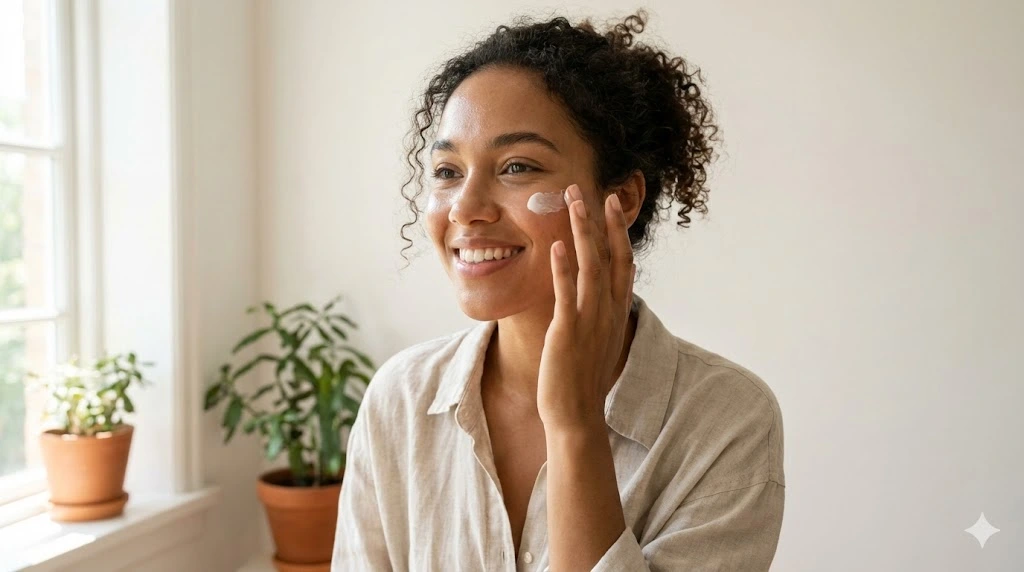
Your 30s often mark the transition from pure prevention to early intervention. You might notice subtle changes—perhaps around the eyes or forehead. This is when many dermatologists suggest considering additional active ingredients.
Key Focus Areas:
- Continue SPF (still the foundation)
- Consider introducing retinol at low concentrations
- Eye area may benefit from targeted hydration
- Maintain antioxidant protection
Retinol Introduction Tips: Many sources suggest starting with lower-concentration formulations (often labeled as "beginner" or "starter" retinol) and using them a few times per week initially. Some people experience temporary dryness or sensitivity as skin adjusts—this is commonly reported during the adjustment period and should be monitored.
| Time | 30s Routine |
|---|---|
| Morning | Gentle cleanser → Vitamin C serum → Moisturizer → SPF 30+ |
| Evening | Gentle cleanser → Retinol (a few times/week as tolerated) → Moisturizer |
Before adding retinol or other active ingredients to your routine, consider consulting with a skincare professional to determine what's appropriate for your skin type.
In Your 40s: Adjust Intensity as Needed
In your 40s, skin changes may become more noticeable. According to research cited by Cetaphil, hormonal shifts—particularly for women approaching perimenopause—can accelerate collagen loss to approximately 2.1% per year during menopause.
Key Focus Areas:
- Continue foundational protection (SPF, antioxidants)
- May consider increasing retinol concentration if tolerated
- Barrier support becomes more important (look for ceramides)
- Hydration needs often increase
| Time | 40s Routine |
|---|---|
| Morning | Gentle cleanser → Antioxidant serum → Richer moisturizer → SPF 30+ |
| Evening | Gentle cleanser → Retinol (if tolerated) → Barrier-supporting moisturizer |

In Your 50s and Beyond: Focus on Comfort and Barrier Health
This decade often brings significant hormonal changes that affect skin behavior. The focus shifts toward maintaining skin comfort, supporting barrier function, and continuing gentle active ingredients as tolerated.
Key Focus Areas:
- Richer moisturizers to address increased dryness
- Barrier-supporting ingredients (ceramides, fatty acids)
- Gentle active ingredients—adjust frequency based on tolerance
- Continued sun protection
Important Note: Skin may become more sensitive during this time. Some people find they need to reduce the frequency of active ingredients or choose gentler formulations. Listen to your skin.
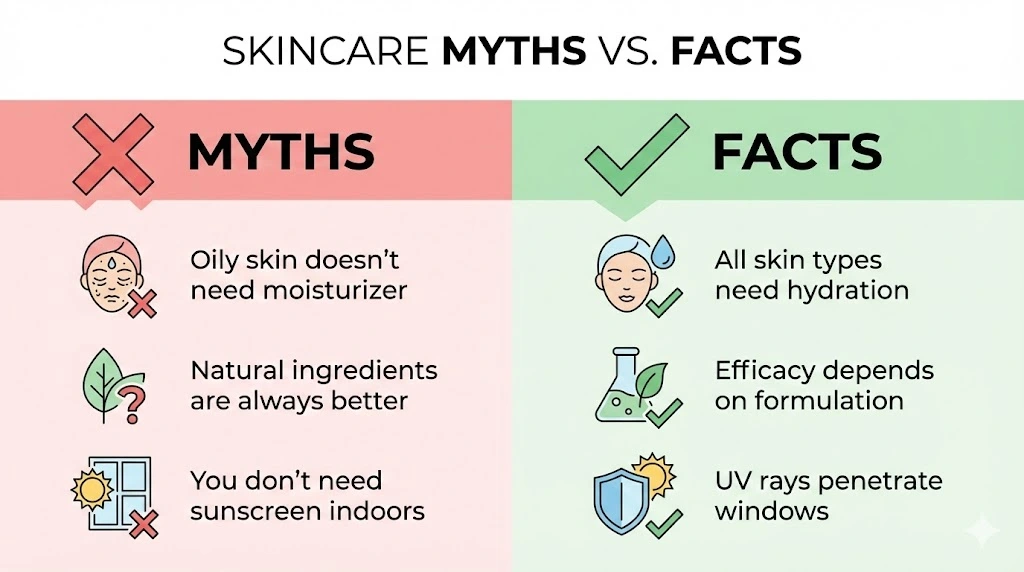
3 Myths That May Mislead Your Skincare Approach
Myth #1: Starting Anti-Aging Too Early Harms Your Skin
This concern circulates frequently online, but it requires context. Basic protective measures—sunscreen, gentle antioxidants, proper hydration—are appropriate at virtually any adult age and are not associated with harm.
The legitimate concern relates to using high-concentration active ingredients (like strong retinoids or aggressive exfoliants) before your skin needs them, which may cause unnecessary irritation. The solution isn't to avoid skincare—it's to match your routine to your current skin needs.
Myth #2: Expensive Products Work Better
Research does not consistently support this assumption. According to information from the Cleveland Clinic, the effectiveness of skincare products depends on their active ingredients and formulation—not their price tag.
A well-formulated drugstore sunscreen may provide equivalent protection to a luxury version. Focus on ingredients and formulation quality rather than brand prestige.
Myth #3: One Product Can Address Everything
Different ingredients serve different functions. SPF protects from UV damage. Retinol supports cell turnover. Hyaluronic acid provides hydration. Vitamin C offers antioxidant protection.
No single product can perform all these functions optimally. A thoughtful routine with a few well-chosen products typically outperforms reliance on any single "miracle" solution.
Real Perspectives: What People Actually Experience
Understanding how others think about when to start anti-aging skincare can offer grounding perspective — especially amid marketing pressure and mixed advice online.
It’s never “too late” to start—and protection matters at every age
“The best time to plant a tree is 20 years ago. The second best time is now.
30 is still really young, if you are interesting in anti aging skincare go for it. I do think people should wear SPF at any age just for the protection against skin cancer etc.
And a lot of anti aging products like retinol have other benefits like improving skin tone so it's not just about delaying wrinkles and fine lines.”
— u/defenestrate_urself, r/SkincareAddiction
“Mid-20s” guidelines are about biology—not urgency or fear
“They say ‘mid 20s’ because that’s when your collagen production starts to be affected, so that’s when anything increasing collagen will actually have a bit of an effect (tretinoin does help with like acne and just a ‘glow’ so it’s not useless when you’re younger).
It’s not like ‘you have to start now’ so don’t worry!! remember marketing is a B***H and though i love derms they aren’t all exempt from it either.
I had an actual in-person dermatologist tell me at age 21 the only solution for slight lines on my forehead was ‘preventative botox’… guys i was dehydrated and also bloated due to health problems.”
— u/Different-Eagle-612, r/SkincareAddiction
Consistency and fundamentals outweigh complex routines—at any age
“A cheap yet extremely effective anti-aging routine that anyone (even teens) can do is moisturizer, adapalene, and sunscreen. In my opinion everything else is just icing on the cake.
And don't forget diet, sleep, and exercise!”
— u/Commercial_Deer_675, r/SkincareAddiction
Key takeaway: Anti-aging skincare isn’t a race against time. While collagen production gradually declines starting in the mid-20s, the most impactful steps—sun protection, basic actives, and healthy lifestyle habits—remain effective at any age. Fear-driven timelines often reflect marketing more than medical necessity; consistency and protection matter far more than starting “early enough.”
FAQ
Is 25 too early to start anti-aging skincare?
For basic protective measures like SPF and antioxidants, 25 is not too early—research suggests this is when collagen production begins slowing. However, you likely don't need intensive treatments at this stage. Focus on protection rather than correction.
Can I use retinol in my 20s?
Some dermatologists suggest low-concentration retinol can be appropriate in the late 20s, particularly for those concerned about early prevention. However, it's not necessary for everyone. If you're curious, consider consulting a skincare professional to assess whether it's appropriate for your skin.
What's one of the most frequently recommended anti-aging steps?
Research and dermatologists frequently point to daily sun protection as foundational. According to dermatological studies, UV exposure may account for up to 80% of visible facial aging. Consistent SPF 30+ use is often highlighted as providing significant long-term benefit.
Do I need eye cream in my 20s?
Not necessarily. The skin around your eyes is thinner and may show changes earlier, but a good facial moisturizer often provides adequate hydration for this area in your 20s. Dedicated eye products become more relevant when you notice specific concerns developing.
Is it too late to start anti-aging skincare at 40 or 50?
It's never too late to benefit from a thoughtful skincare routine. While you may not reverse existing changes, research suggests skin responds positively to proper care at any age. Protection from further damage and support for skin barrier function remain valuable regardless of when you start.
Your 3-Step Action Plan (Start Today)
Step 1: Audit your sun protection (2 minutes) Check if your current moisturizer includes SPF 30 or higher. If not, consider adding a separate sunscreen to your morning routine. This step is frequently highlighted by skincare professionals as foundational.
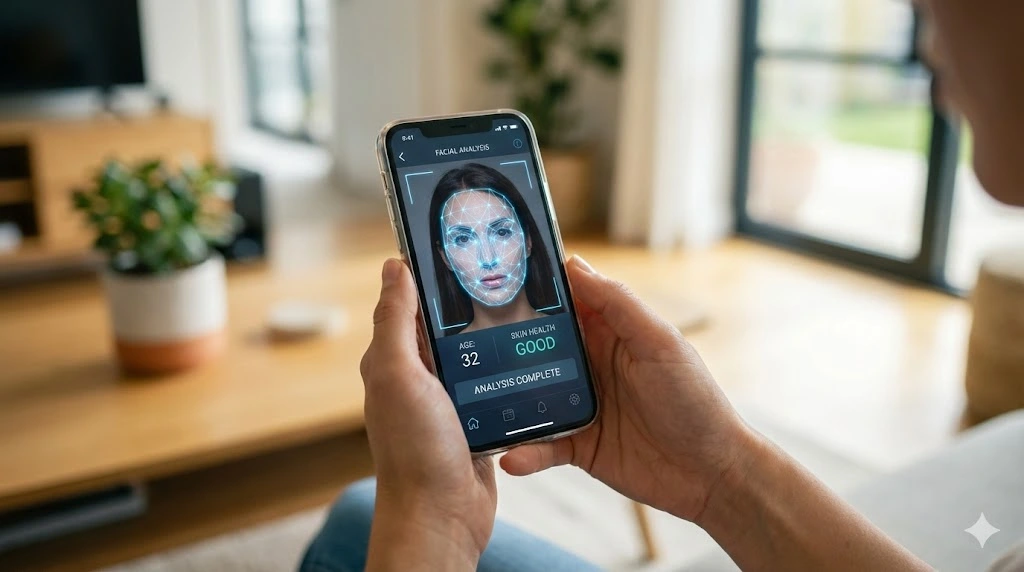
Step 2: Assess your current skin (5 minutes) Take a moment to honestly evaluate where your skin is today. Curious about how others perceive your skin age? Our free AI age estimation tool can provide an interesting data point for your baseline.
Step 3: Choose ONE addition based on your decade (10 minutes) Rather than overhauling your entire routine, add one element appropriate for your life stage. In your 20s, that might be a vitamin C serum. In your 30s, perhaps a gentle retinol. Start simple and build gradually.
Bottom Line
When to start anti-aging skincare isn't about hitting a specific birthday—it's about matching your routine to your skin's current needs. In your 20s, focus on protection. In your 30s, consider strategic additions. In your 40s and beyond, adjust based on how your skin responds.
The most common takeaway from dermatological guidance: consistent sun protection is frequently cited as foundational. Start there, and build thoughtfully from that foundation.
Curious how your skin is aging? Try our free AI age estimation tool → to see how old you look—and track changes as you refine your routine.
Related Guides
Understanding Skin Aging:
- How to Look 10 Years Younger →
- What Makes You Look Older Than Your Age →
- Does the Sun Age Your Skin? →
Lifestyle Factors:
Want to compare your real age with how old you look? Try the free How Old Do I Look photo test.
Disclaimer: This article is for informational purposes only and does not constitute medical advice. The information provided is based on general research and should not replace professional consultation. Individual results may vary. Always consult with a qualified healthcare provider or dermatologist before making changes to your skincare routine or starting any new treatments. The author and website are not responsible for any actions taken based on this information.
References
Skin Care in Your 40s and 50s - American Academy of Dermatology
Anti-Aging Skin Care: Ingredients and Routine - Cleveland Clinic
11 Ways to Reduce Premature Skin Aging - American Academy of Dermatology
How to Select Anti-Aging Skin Care Products - American Academy of Dermatology
Decreased Collagen Production in Chronologically Aged Skin - NIH PubMed
Try the photo age test
How Old Do I Look?
Upload a selfie or face photo and get an instant AI estimate of how old you look. Free, no signup required, and photos are not saved by us after analysis.
Test how old you look