
Can You Reverse Aging from Lack of Sleep? Science-Backed Recovery Guide
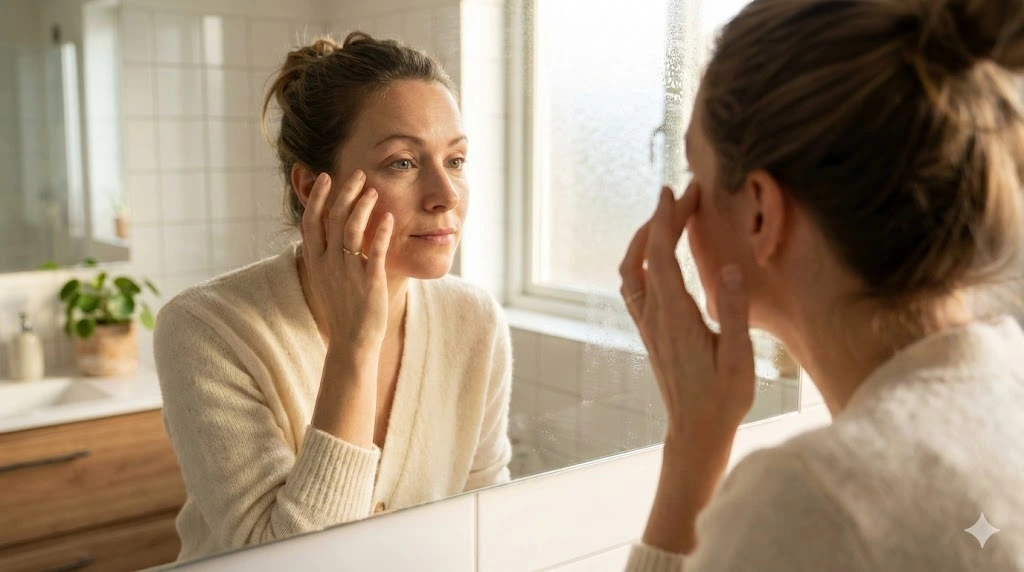
You've been staring at your reflection lately, and something feels off. The dark circles under your eyes won't budge. Your skin looks dull, almost grayish. And those fine lines on your forehead? They seem deeper than they were a year ago.
You know the culprit: years of late nights, restless sleep, or maybe chronic insomnia that just won't quit. Now you're wondering if the damage is done — or if there's still hope.
Here's what you need to know: the relationship between sleep and aging is more nuanced than most articles suggest. Some effects may improve with better sleep habits, while others require additional approaches. In this guide, we'll break down what current research says about sleep-related aging, which changes may be reversible, and practical strategies that may help.
While this guide covers general information based on research, consider consulting a dermatologist or sleep specialist for personalized advice.
The Short Answer
It depends on several factors. Research suggests that some visible effects of poor sleep — such as puffiness, dark circles, and dull skin — may improve when sleep habits improve. However, the degree of improvement varies significantly based on:
- How long sleep deprivation has occurred
- Your age and overall health
- Whether other lifestyle factors are also addressed
While surface-level signs may respond relatively quickly to better sleep, cellular-level changes are more complex. Here's what current science suggests.
How Lack of Sleep Actually Ages You (The Science)
Understanding why sleep matters for your appearance starts with knowing what happens — and what doesn't happen — when you're not getting enough rest.
What Happens to Your Skin While You Sleep
Sleep isn't just downtime for your brain. It's an active repair period for your entire body, including your skin.
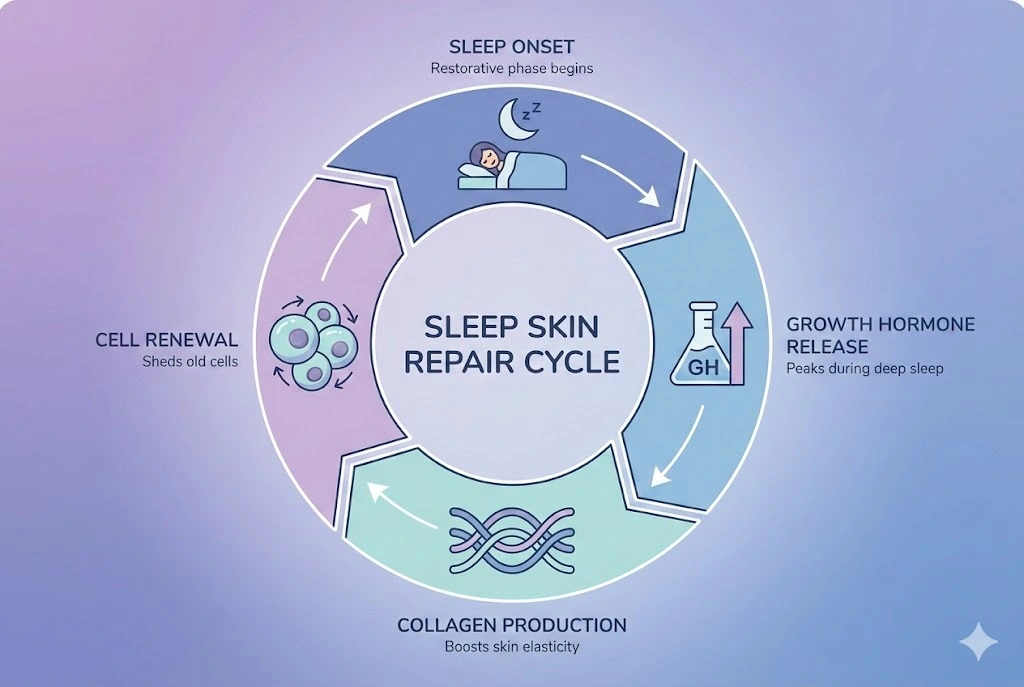
During deep sleep stages, your body increases production of growth hormone, which plays a role in tissue repair and cellular regeneration. According to research published in Clinical and Experimental Dermatology, this overnight period is when several key processes become more active:
- Collagen synthesis increases, which contributes to skin structure and firmness
- Blood flow to the skin improves, delivering oxygen and nutrients
- Cell turnover accelerates, replacing damaged cells
- The skin barrier undergoes repair, helping retain moisture
These processes are guided by your circadian rhythm — your body's internal clock. When this rhythm is disrupted through irregular sleep or insufficient rest, the skin's ability to renew itself may be affected. The nutrients you consume also matter — see foods that support collagen production.
The Damage Chain: From One Bad Night to Chronic Sleep Debt
A single night of poor sleep might leave you with puffy eyes and a tired complexion. These effects are typically temporary.
But what happens when sleep deprivation becomes chronic?
Research from UCLA suggests that even one night of insufficient sleep can affect cellular aging markers in older adults. A study published in Sleep found that participants who were allowed only four hours of sleep showed changes in biological markers associated with aging.
When sleep deprivation continues over time, research suggests several concerning patterns may emerge:
- Elevated cortisol levels: Sleep loss is associated with increased cortisol, the stress hormone. Some studies have linked chronically elevated cortisol to reduced collagen integrity.
- Increased inflammation: A systematic review in Biological Psychiatry found associations between sleep disturbance and elevated inflammatory markers.
- Impaired skin barrier function: Research indicates that poor sleep may weaken the skin's ability to retain moisture and protect against environmental stressors.
Beyond Skin: Biological Aging at the Cellular Level
The effects of sleep deprivation may go deeper than what you see in the mirror.
Research published in Current Opinion in Endocrine and Metabolic Research has explored connections between sleep and biological aging markers, including:
- Telomere length: Telomeres are protective caps on chromosomes that shorten with age. Several studies have found associations between poor sleep quality and shorter telomere length, though the relationship is complex and not fully understood.
- DNA damage: Animal studies suggest sleep deprivation may increase DNA damage accumulation, with some research indicating recovery sleep might help reverse this effect.
- Cellular senescence: Early research suggests sleep loss may be associated with increased markers of cellular aging.
These findings are still being studied, and researchers note that more work is needed to understand the causal relationships involved.
5 Science-Backed Strategies That May Help Improve Sleep-Related Aging Signs
While no approach guarantees results, research suggests these strategies may support both better sleep and skin health.
Strategy 1: Prioritize Sleep Quality Over Quantity
The American Academy of Sleep Medicine recommends 7-9 hours of sleep per night for adults. But total hours in bed don't tell the whole story.
What research suggests: Deep sleep stages appear to be particularly important for physical restoration. Fragmented sleep — even if you're in bed for 8 hours — may not provide the same benefits as continuous, quality rest.
What you might try:
- Maintain a consistent sleep-wake schedule, even on weekends
- Track not just how long you sleep, but how rested you feel upon waking
- If you consistently wake feeling unrefreshed despite adequate sleep time, consider consulting a sleep specialist
Strategy 2: Optimize Your Sleep Environment
Environmental factors can significantly impact sleep quality.
What research suggests: Studies indicate that temperature, light exposure, and noise levels all influence sleep architecture. The Sleep Foundation suggests keeping bedroom temperature between 60-67°F (15-19°C) for optimal sleep.
What you might try:
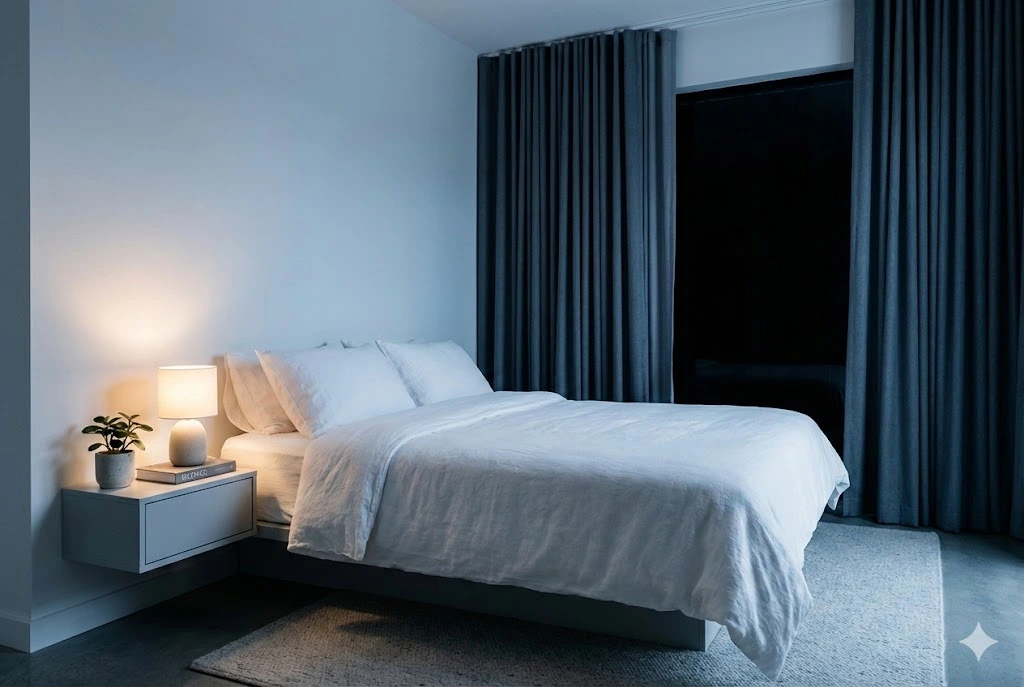
- Use blackout curtains or a sleep mask to minimize light exposure
- Keep your bedroom cool and well-ventilated
- Consider white noise if environmental sounds disrupt your sleep
- Remove electronic devices that emit light or create temptation to check notifications
Strategy 3: Support Overnight Skin Repair with Appropriate Products
While skincare products can't replace sleep, they may complement your body's natural repair processes.
What research suggests: Certain ingredients have been studied for their potential effects on skin aging. Retinoids, for example, have been extensively researched, with some studies suggesting they may support collagen production and cell turnover.
What you might consider:
- Hydrating ingredients like hyaluronic acid may help address moisture loss
- Antioxidant serums may help protect against environmental damage
- Retinol products have research support, though they require careful introduction
Before starting any new skincare routine, consider consulting with a skincare professional, especially if you have sensitive skin or existing conditions.
Strategy 4: Address Stress and Cortisol Levels
The connection between stress, sleep, and aging creates what researchers call "allostatic load" — the cumulative burden of chronic stress on the body. Stress is one of several factors that can accelerate visible aging, and research suggests it can visibly age your face through multiple pathways.
What research suggests: A 2014 study found strong correlations between poor sleep quality and high allostatic load. Chronic stress may both disrupt sleep and independently contribute to aging processes.
What you might try:
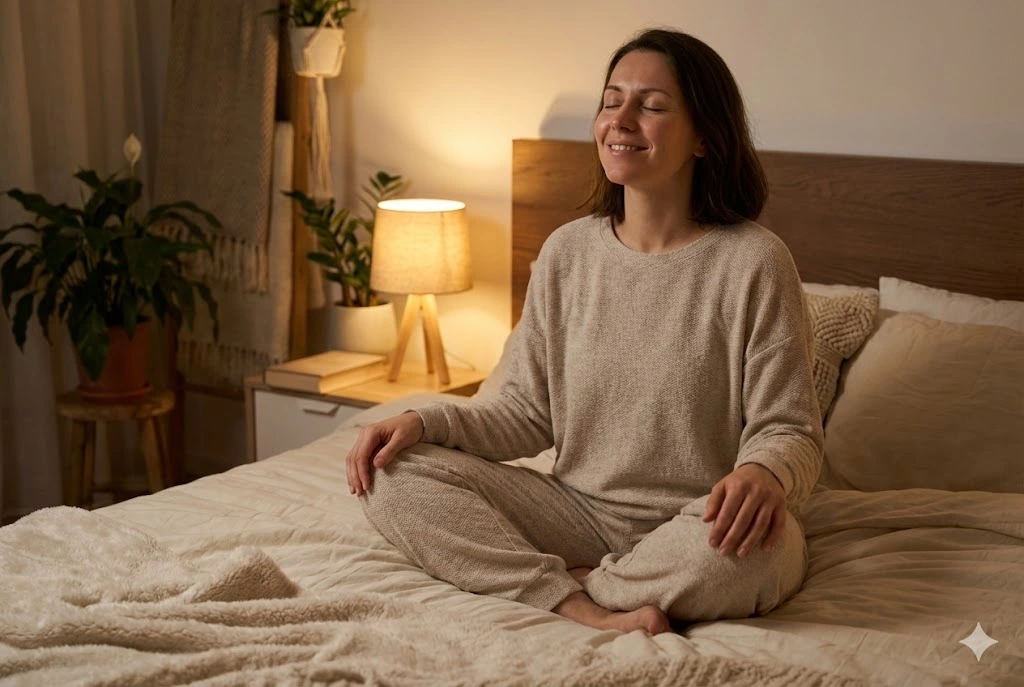
- Establish a relaxing pre-sleep routine (warm bath, reading, gentle stretching)
- Practice stress-reduction techniques like meditation or deep breathing
- Limit screen exposure in the hour before bed — blue light may suppress melatonin production
- Address sources of chronic stress where possible
Strategy 5: Support Your Body from the Inside Out
Nutrition and overall health influence both sleep quality and skin health.
What research suggests: Antioxidant-rich diets have been associated with better skin outcomes in some studies. Certain nutrients, including vitamin C, vitamin E, and omega-3 fatty acids, have been studied for their potential roles in skin health.
What you might consider:
- Focus on a balanced diet rich in fruits, vegetables, and healthy fats
- Stay adequately hydrated
- Limit alcohol and caffeine, especially in the hours before bed
Some studies have explored supplements like magnesium and glycine for sleep support. However, always consult a healthcare provider before starting any supplements, especially if you have existing health conditions or take medications. Optimal approaches vary by individual and should be determined by a qualified professional.
Quick Reference: Sleep-Supportive Habits
| Habit | Potential Impact | Ease of Implementation |
|---|---|---|
| Consistent sleep schedule | May support circadian rhythm | Moderate |
| Dark, cool bedroom | May improve sleep quality | Easy |
| Evening skincare routine | May support overnight repair | Easy |
| Stress management practices | May reduce cortisol levels | Moderate |
| Dietary improvements | May support overall skin health | Moderate to Challenging |
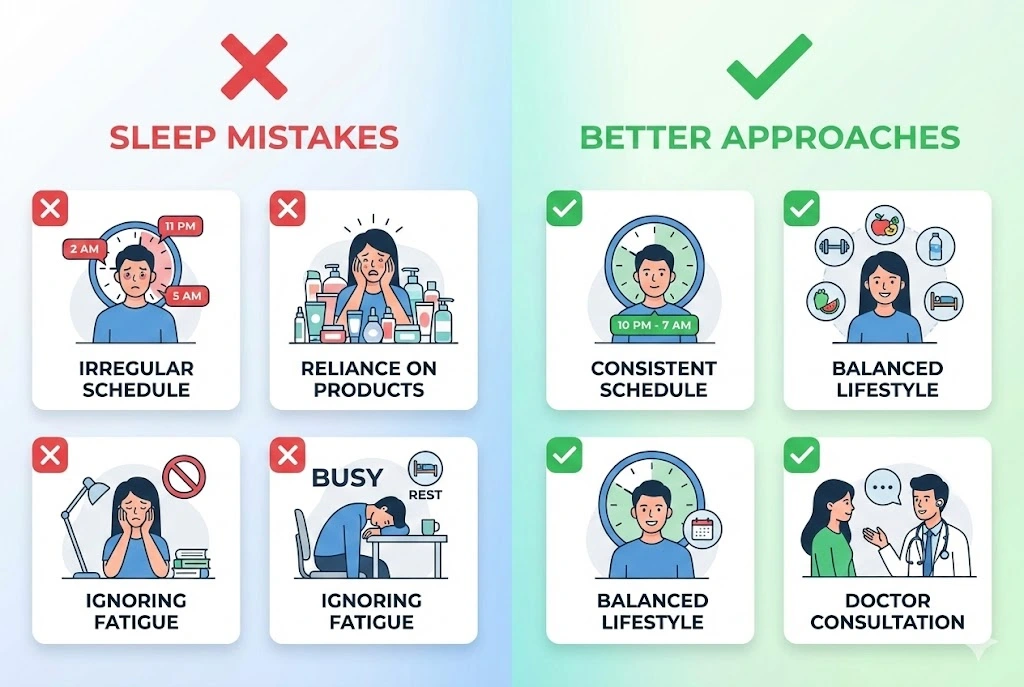
3 Mistakes That May Make Sleep-Related Aging Worse
Avoiding common pitfalls is just as important as adopting good habits.
Mistake #1: Believing You Can "Catch Up" on Sleep Later
Many people assume weekend sleep-ins will compensate for weeknight deprivation.
Why this approach may not work: Research suggests that "sleep debt" doesn't work like a bank account. While recovery sleep may help with some short-term effects, studies indicate that irregular sleep patterns may disrupt circadian rhythm and potentially offset benefits. Some research suggests that the metabolic and cognitive effects of chronic sleep deprivation may not fully reverse with occasional catch-up sleep.
A potentially better approach: Aim for consistency. Research generally supports maintaining regular sleep-wake times over attempting to compensate for lost sleep.
Mistake #2: Relying Only on Skincare Products
It's tempting to seek solutions in a bottle when you notice skin changes.
Why this approach may fall short: Even the most effective skincare ingredients work on the surface level. They cannot replicate the internal repair processes that occur during sleep, including growth hormone release, systemic inflammation reduction, and cellular repair throughout the body.
A potentially better approach: View skincare as complementary to — not a replacement for — adequate sleep. The most expensive serum may have limited impact if applied to skin that never gets proper rest.
Mistake #3: Ignoring Potential Sleep Disorders
Some people assume their poor sleep is just stress or bad habits.
Why this matters: Conditions like obstructive sleep apnea affect a significant portion of the population, often undiagnosed. Research has linked sleep apnea to accelerated aging markers, including shortened telomere length and increased oxidative stress. The repeated breathing disruptions cause physiological stress responses throughout the night.
A potentially better approach: If you've improved your sleep habits but still wake unrefreshed, snore heavily, or experience daytime fatigue, consider consulting a sleep specialist. Underlying sleep disorders require specific treatment.
Real Stories: Experiences with Sleep and Aging
Understanding how others have navigated sleep-related aging concerns can provide perspective — though individual results vary significantly.
Sleep deprivation has an immediate and visible impact on appearance
��100% affects it. I am a sleep-deprived mom with an 8-month-old and a 2.5-year-old. I’m getting probably 4 hours of interrupted sleep and I look like crap. On the rare night that I get 6–7 hours (which is still low), I visibly look healthier. Sleep is so, so important for everything related to our minds and bodies.”
— u/Objective_Nothing790, r/beauty
Chronic sleep loss can mask how tired you truly look—until rest is restored
“I have better skin now than I did in my 20s. I’m 30 now. Back then, I worked 12-hour overnight shifts six days a week while also caring for a toddler, since my husband worked days. I’d work all night, sleep for two hours, take care of my daughter all day, sleep another hour or two during nap time, then go back to work.
Since becoming a stay-at-home mom, I can’t believe the difference when I look at old photos. I didn’t even realize how exhausted I looked at the time—because that level of fatigue felt normal.”
— u/winterbaby26, r/beauty
Key takeaway: Sleep doesn’t just affect long-term aging—it changes how healthy, rested, and vibrant you look within days. Chronic sleep deprivation can quietly normalize fatigue, making its impact invisible until proper rest returns.
Frequently Asked Questions
How long does it take to see improvements in skin after better sleep?
Individual results vary significantly. Some people report reduced puffiness within days of improving sleep habits, while research on skin elasticity and fine lines suggests these changes develop over longer periods with consistent habits. A dermatologist can provide personalized expectations based on your specific situation.
Can one night of good sleep make a difference?
One night of quality sleep may help with immediate concerns like puffiness and under-eye darkness. However, research suggests consistent sleep habits over time are more likely to support lasting changes. Think of it as a cumulative investment rather than a quick fix.
Does sleeping more than 9 hours help with aging?
Not necessarily. Some research has associated both short and excessively long sleep duration with various health concerns. Most sleep organizations recommend 7-9 hours for adults, though individual needs vary. Quality and consistency appear to matter as much as total duration.
At what age does sleep-related aging become harder to address?
Research suggests skin's regenerative capacity naturally declines with age, and recovery from various stressors may take longer. However, studies indicate that improving sleep habits may still offer benefits at any age. A dermatologist can help assess your individual situation and set realistic expectations.
Can supplements help with sleep-related aging?
Some studies have explored ingredients like magnesium, melatonin, and glycine for sleep support, with varying results. However, always consult a healthcare provider before starting supplements, as effectiveness and safety vary by individual. What works in research settings may not translate directly to individual use.
3 Steps You Might Consider Tonight
These general suggestions are based on sleep hygiene research. Individual needs vary, and those with persistent sleep issues should consider consulting a healthcare provider.
Step 1: Evaluate Your Sleep Environment (10 minutes)
Walk through your bedroom with fresh eyes. Assess light levels (is it truly dark?), temperature (is it cool enough?), and potential disruptions (electronics, noise). Small adjustments here often yield noticeable improvements.
Step 2: Consider a Consistent Sleep Schedule (5 minutes)
Choose a realistic bedtime and wake time you can maintain most days. Set phone reminders if helpful. Research suggests consistency may be more valuable than occasionally getting extra hours.
Step 3: Explore a Wind-Down Routine (15 minutes before bed)
Experiment with activities that help you transition from the day: reducing screen exposure, simple skincare steps, gentle stretching, or reading. Finding what works for you may take some trial and error.
What to expect: Results vary widely by individual. Some people notice improvements in how they feel relatively quickly, while visible skin changes typically require consistent habits over an extended period. Consider tracking your progress and consulting a dermatologist if you have specific concerns about your skin.
Bottom Line
The relationship between sleep and aging is real, but it's also nuanced. Research suggests that some effects of sleep deprivation — particularly surface-level concerns like puffiness and dullness — may improve with better sleep habits. Deeper cellular changes are more complex and may require longer-term consistency and potentially additional approaches.
The good news: improving your sleep habits offers benefits beyond just your appearance. For a comprehensive approach, see our complete guide to looking younger. Better sleep is associated with improved mood, cognitive function, immune health, and overall well-being. Even if results aren't dramatic or immediate, the investment is worthwhile.
Curious how you're aging? Try our free How Old Do I Look tool to get an AI-estimated age based on your photo. It can be an interesting way to track changes as you improve your habits over time.
Related Guides
Complete Guide:
Dive Deeper:
- What Makes You Look Older? 12 Surprising Factors
- Does Losing Weight Make You Look Younger?
- 12 Foods That Make You Look Younger
- How to Apply Makeup to Look Younger
Disclaimer: This article is for informational purposes only and does not constitute medical advice. The information provided is based on general research and should not replace professional consultation. Individual results may vary significantly. Always consult with a qualified healthcare provider, dermatologist, or sleep specialist before making changes to your health routine or starting any new treatments. The author and website are not responsible for any actions taken based on this information.
- Does poor sleep quality affect skin ageing? - Oyetakin-White et al., Clinical and Experimental Dermatology, 2015
- Partial Sleep Deprivation Activates the DNA Damage Response (DDR) and the Senescence-Associated Secretory Phenotype (SASP) in Aged Adult Humans - Carroll et al., Brain, Behavior, and Immunity, 2016
- Sleep Disturbance, Sleep Duration, and Inflammation: A Systematic Review and Meta-Analysis of Cohort Studies and Experimental Sleep Deprivation - Irwin et al., Biological Psychiatry, 2016
- The association between sleep quality and telomere length: A systematic literature review - Sabot et al., Brain, Behavior, and Immunity - Health, 2023
- Short Sleep Duration Is Associated with Shorter Telomere Length in Healthy Men: Findings from the Whitehall II Cohort Study - Jackowska et al., PLOS ONE, 2012
- Sleep and Biological Aging: A Short Review - Carroll & Prather, Current Opinion in Endocrine and Metabolic Research, 2021
- Impaired sleep and allostatic load: cross-sectional results from the Danish Copenhagen Aging and Midlife Biobank - Clark et al., Sleep Medicine, 2014
- Sleep and allostatic load: A systematic review and meta-analysis - Wu et al., Sleep Medicine Reviews, 2022
- How Many Hours of Sleep Do You Really Need? - National Sleep Foundation
- Sleep Tips - National Sleep Foundation
- How to Make a Sleep-Friendly Bedroom - National Sleep Foundation
Try the photo age test
How Old Do I Look?
Upload a selfie or face photo and get an instant AI estimate of how old you look. Free, no signup required, and photos are not saved by us after analysis.
Test how old you look