
12 Foods That Make You Look Younger: Science-Backed Guide (2026)
Introduction
You catch your reflection in the mirror and notice something different. Maybe it's a new fine line around your eyes, or your skin looks duller than it used to. You've tried expensive creams and serums, but deep down you know—real change starts from within.
Here's the good news: what you eat can genuinely affect how young you look. While no single food will turn back the clock overnight, research shows that certain nutrients may support skin health, boost collagen production, and fight the oxidative stress that accelerates aging.
In this guide, we'll share 12 science-backed foods that may help you achieve younger-looking skin naturally—plus the foods you should avoid.
The Short Answer
Yes, certain foods may help you look younger—but it's about consistent habits, not magic ingredients.
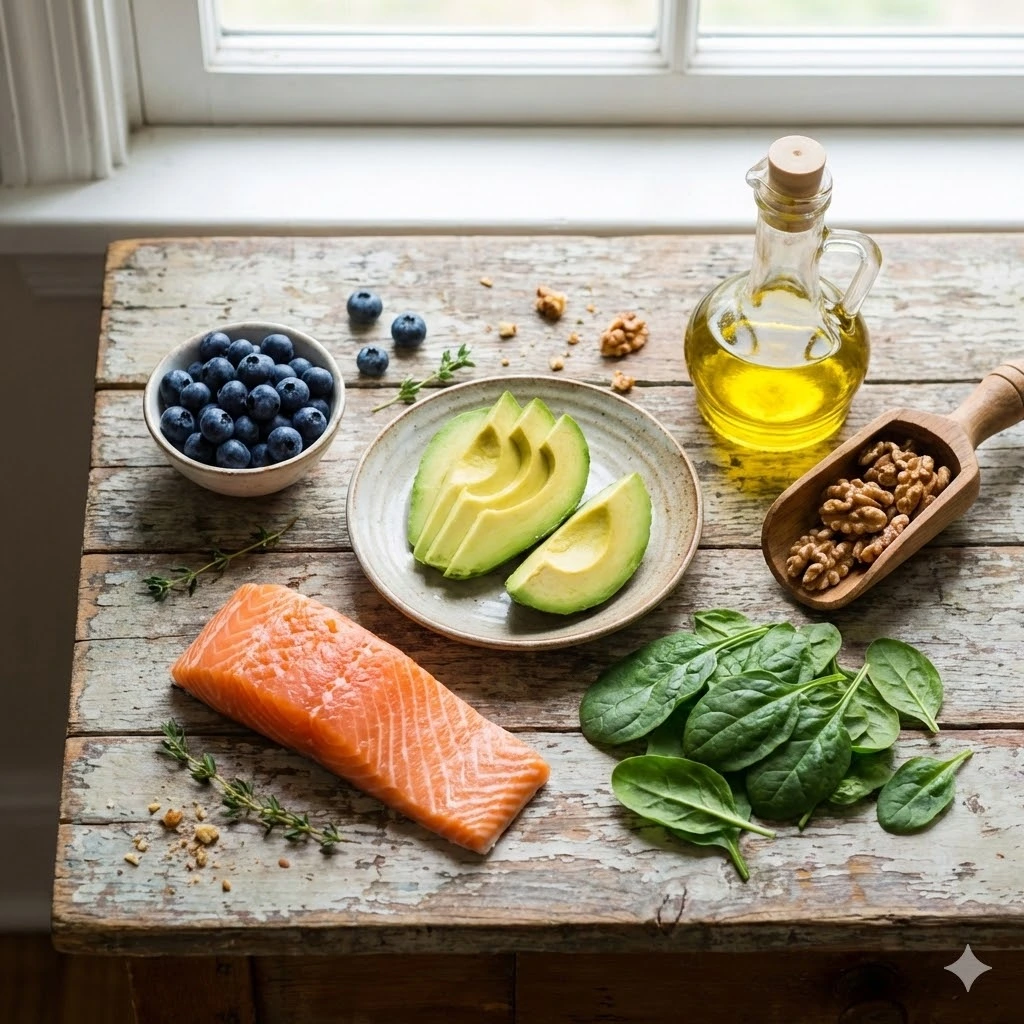
The top three foods backed by research include:
- Fatty fish (salmon, mackerel) — rich in omega-3s for skin hydration
- Berries (blueberries, strawberries) — packed with antioxidants that fight free radicals
- Leafy greens (spinach, kale) — loaded with vitamins A and C for collagen support
These foods work by reducing inflammation, protecting against sun damage, and supporting your body's natural collagen production. Let's dive into the science.
How Food Affects Your Appearance
Your skin is the largest organ in your body, and it reflects what's happening inside. The connection between diet and skin aging comes down to three key factors:
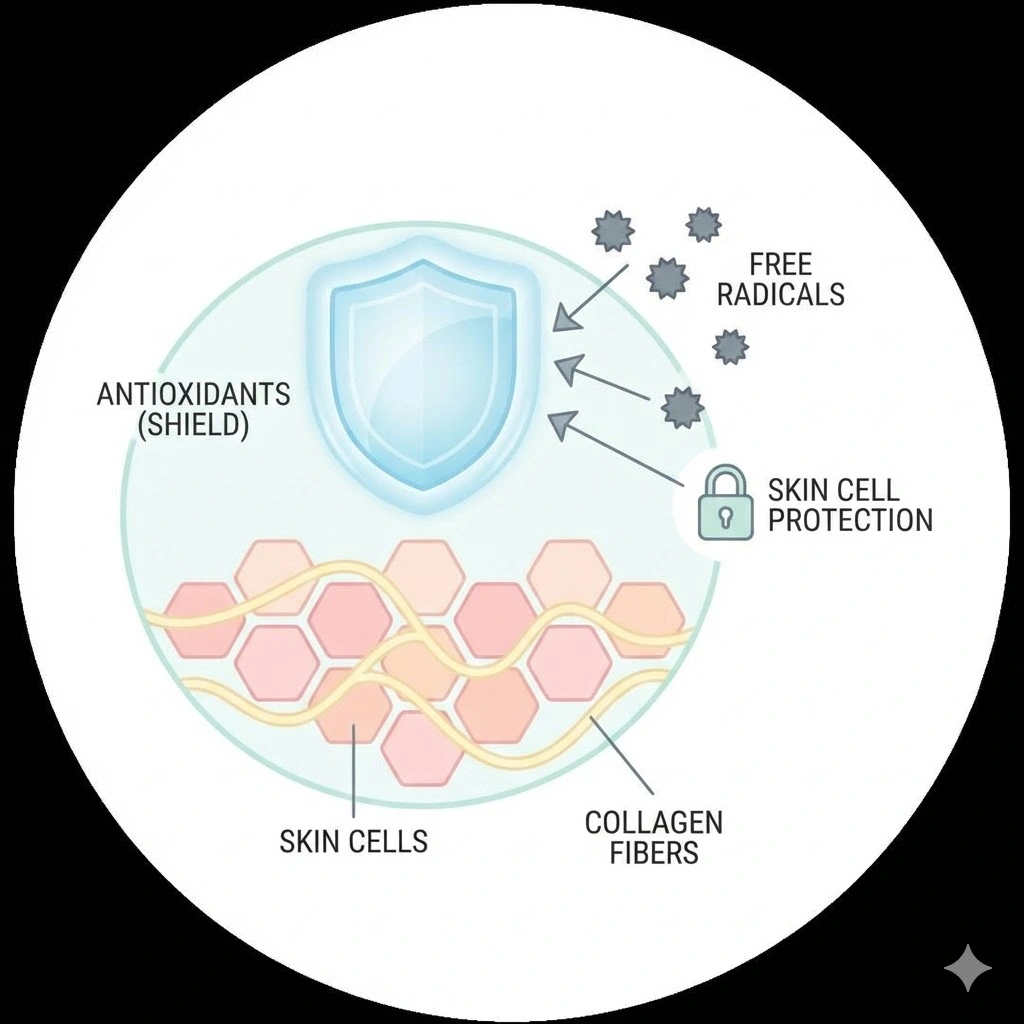
Free Radicals vs. Antioxidants
Every day, your skin faces damage from UV rays, pollution, and stress. These create unstable molecules called free radicals that break down collagen and elastin—the proteins that keep skin firm and bouncy.
Antioxidants from colorful fruits and vegetables neutralize these free radicals before they cause damage. A 2012 study published in Dermato-Endocrinology found that higher antioxidant intake was associated with reduced skin wrinkling and dryness.
The Collagen Connection
After age 25, collagen production naturally declines by about 1% per year. Certain nutrients—particularly vitamin C, zinc, and amino acids from protein—serve as building blocks your body needs to produce new collagen. Your body also produces most of its collagen during deep sleep, making rest essential for skin repair.
Inflammation and Aging
Chronic low-grade inflammation accelerates skin aging. Research in the Journal of Clinical and Aesthetic Dermatology suggests that anti-inflammatory foods may help slow this process and support overall skin health. Inflammation is just one of many factors that can make you look older — chronic stress is another major contributor that often goes hand-in-hand with poor dietary choices.
Note: While diet plays a role in skin health, results vary by individual. For personalized advice, consider consulting a registered dietitian or dermatologist.
12 Best Foods for Younger-Looking Skin
Based on nutritional research, we've organized these foods into three categories based on their primary benefits.
Category A: Antioxidant Powerhouses
These foods are loaded with compounds that fight oxidative stress and protect your skin cells.
1. Blueberries
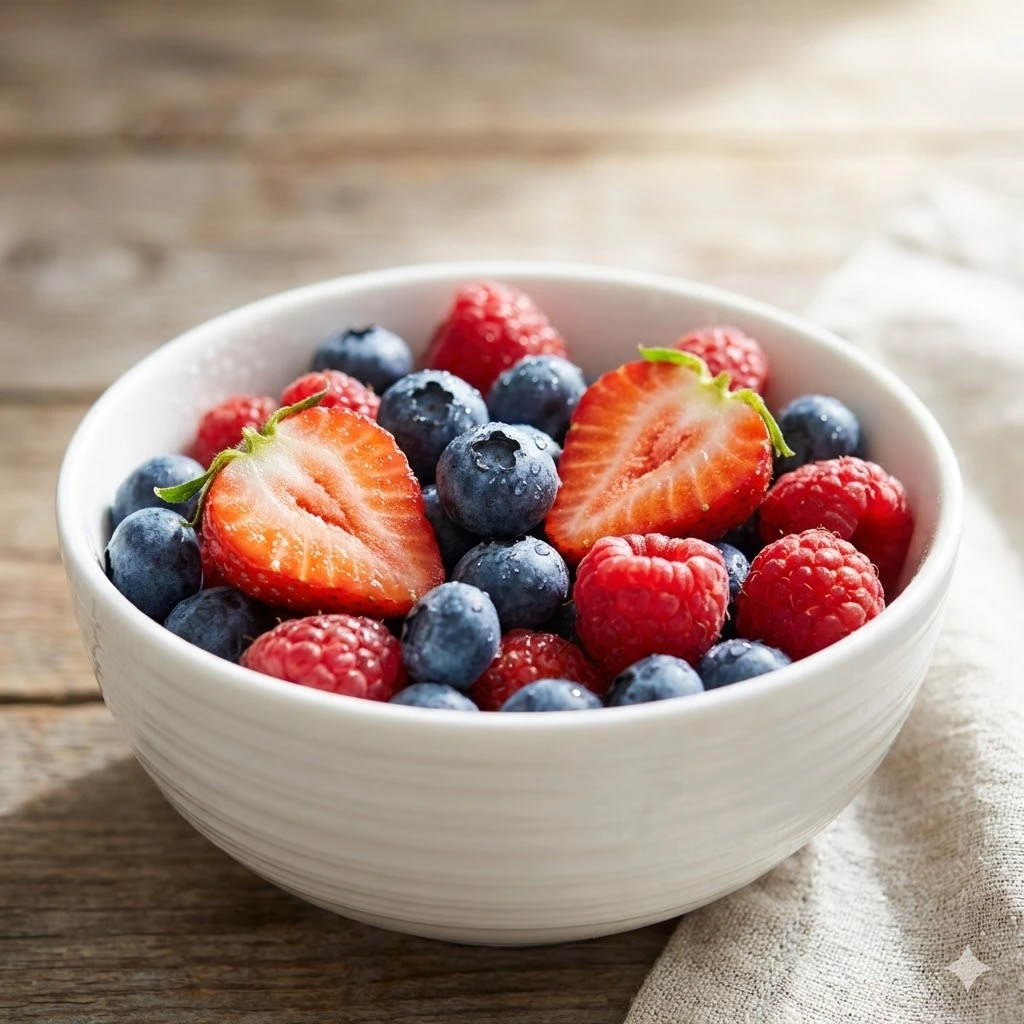
These small berries pack a powerful punch. Blueberries contain anthocyanins—the antioxidants responsible for their deep blue color—which may help protect skin from sun damage and environmental stress.
Key nutrients: Vitamin C, vitamin K, anthocyanins
How to enjoy: Add a handful to your morning oatmeal or smoothie. Fresh or frozen both work well.
2. Pomegranates
Pomegranates have been used for centuries in traditional wellness practices. They contain punicalagins, unique antioxidants that research suggests may help preserve collagen in the skin.
A study in the Journal of Ethnopharmacology found that pomegranate extract showed potential in stimulating collagen synthesis and inhibiting collagen-degrading enzymes in skin cells.
Key nutrients: Vitamin C, punicalagins, ellagic acid
How to enjoy: Sprinkle seeds on salads or drink as 100% juice (watch sugar content).
3. Dark Chocolate
Good news for chocolate lovers—dark chocolate (70% cocoa or higher) contains flavonoids that may improve skin hydration and protect against UV damage.
A 2006 study in the Journal of Nutrition found that participants who consumed high-flavanol cocoa showed improvements in skin texture after 12 weeks.
Key nutrients: Flavonoids, iron, magnesium
How to enjoy: Stick to 1-2 small squares (about 30g) daily to get benefits without excess calories.
4. Green Tea
Green tea is rich in catechins, particularly EGCG (epigallocatechin gallate), which has strong antioxidant properties. Regular consumption may help protect skin from UV-related aging.
Key nutrients: EGCG, polyphenols, L-theanine
How to enjoy: Replace your afternoon coffee with a cup of green tea. Aim for 2-3 cups daily.
Category B: Healthy Fats for Skin Hydration
These foods contain essential fatty acids that help maintain your skin's moisture barrier.
5. Avocados
Avocados are rich in monounsaturated fats and vitamin E, both essential for maintaining skin moisture. They also contain lutein, an antioxidant that supports skin elasticity.
Key nutrients: Vitamin E, monounsaturated fats, potassium, lutein
How to enjoy: Add to salads, spread on toast, or blend into smoothies.
6. Fatty Fish (Salmon, Mackerel, Sardines)
Fatty fish are among the best sources of omega-3 fatty acids, which research links to improved skin hydration and reduced inflammation.
A 2018 review in Marine Drugs highlighted that omega-3s may help maintain the skin's lipid barrier and protect against photoaging.
Key nutrients: Omega-3 (EPA and DHA), protein, selenium, astaxanthin
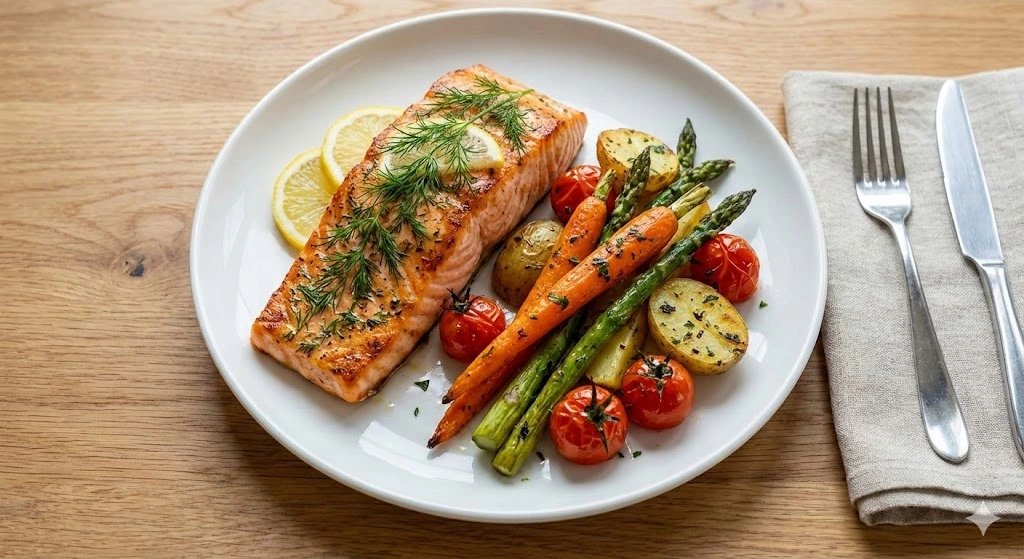
How to enjoy: Aim for 2-3 servings of fatty fish per week. Grilled salmon with olive oil and herbs makes an easy anti-aging dinner.
7. Extra Virgin Olive Oil
A staple of the Mediterranean diet, extra virgin olive oil contains oleic acid and polyphenols with anti-inflammatory properties.
A 2012 study in PLOS ONE found that higher olive oil consumption was associated with fewer signs of facial aging in older adults.
Key nutrients: Oleic acid, polyphenols, vitamin E
How to enjoy: Use as your primary cooking oil or drizzle on salads. Choose cold-pressed, extra virgin varieties for maximum benefits.
8. Walnuts
Walnuts stand out among nuts because they contain alpha-linolenic acid (ALA), a plant-based omega-3. They're also rich in vitamin E, which helps protect skin from environmental damage.
Key nutrients: Omega-3 (ALA), vitamin E, zinc, selenium
How to enjoy: A small handful (about 7 walnuts) daily makes a great snack or salad topping.
Category C: Vitamin-Rich Vegetables
These colorful vegetables provide essential vitamins that support skin renewal and collagen production.
9. Spinach and Leafy Greens
Spinach, kale, and Swiss chard are packed with vitamins A, C, E, and K. Vitamin C is particularly important as a cofactor in collagen synthesis.
Key nutrients: Vitamins A, C, E, K, iron, lutein
How to enjoy: Add to smoothies, use as salad base, or sauté as a side dish.
10. Red Bell Peppers
Red bell peppers contain more vitamin C than oranges—one pepper provides over 150% of your daily needs. They also contain carotenoids that may help protect against sun damage.
Key nutrients: Vitamin C, beta-carotene, vitamin A
How to enjoy: Slice raw for snacking, add to stir-fries, or roast for extra sweetness.
11. Sweet Potatoes
The orange color of sweet potatoes comes from beta-carotene, which converts to vitamin A in your body. Vitamin A supports skin cell turnover, helping shed old cells and reveal fresher skin.
Key nutrients: Beta-carotene, vitamin C, vitamin E, fiber
How to enjoy: Bake, mash, or roast. Sweet potato makes an excellent replacement for regular potatoes.
12. Tomatoes
Tomatoes are one of the best sources of lycopene, a powerful antioxidant that gives them their red color. Research suggests lycopene may offer mild protection against UV damage from the inside.
A 2011 study in the British Journal of Dermatology found that participants who consumed tomato paste daily showed reduced skin reddening after UV exposure.
Key nutrients: Lycopene, vitamin C, potassium
How to enjoy: Cooking tomatoes (with olive oil) increases lycopene absorption. Try tomato sauce, roasted tomatoes, or sun-dried varieties.
Quick Reference Table: 12 Anti-Aging Foods at a Glance
| Food | Key Nutrients | Primary Benefit | Daily Suggestion |
|---|---|---|---|
| Blueberries | Anthocyanins, Vitamin C | Fights free radicals | 1/2 cup |
| Pomegranates | Punicalagins, Vitamin C | Supports collagen | 1/2 cup seeds |
| Dark Chocolate | Flavonoids | Improves hydration | 30g (70%+ cocoa) |
| Green Tea | EGCG, Catechins | UV protection | 2-3 cups |
| Avocados | Vitamin E, Healthy fats | Skin moisture | 1/2 avocado |
| Salmon | Omega-3, Astaxanthin | Reduces inflammation | 2-3x per week |
| Olive Oil | Polyphenols, Oleic acid | Anti-inflammatory | 2 tablespoons |
| Walnuts | Omega-3 (ALA), Vitamin E | Skin barrier support | 7 walnuts |
| Spinach | Vitamins A, C, K | Collagen support | 2 cups raw |
| Red Bell Peppers | Vitamin C, Carotenoids | Collagen production | 1/2 pepper |
| Sweet Potatoes | Beta-carotene | Cell turnover | 1 medium |
| Tomatoes | Lycopene | UV protection | 1 medium or sauce |
3 Foods That May Accelerate Skin Aging
Just as some foods support youthful skin, others may work against you. Here are three to limit:
1. Refined Sugar and Sugary Drinks
When you consume excess sugar, it binds to proteins like collagen through a process called glycation. This creates compounds called AGEs (Advanced Glycation End Products) that make collagen stiff and less elastic.
What to do instead: Satisfy sweet cravings with whole fruits, which contain fiber that slows sugar absorption. Limit sodas, candy, and processed sweets.
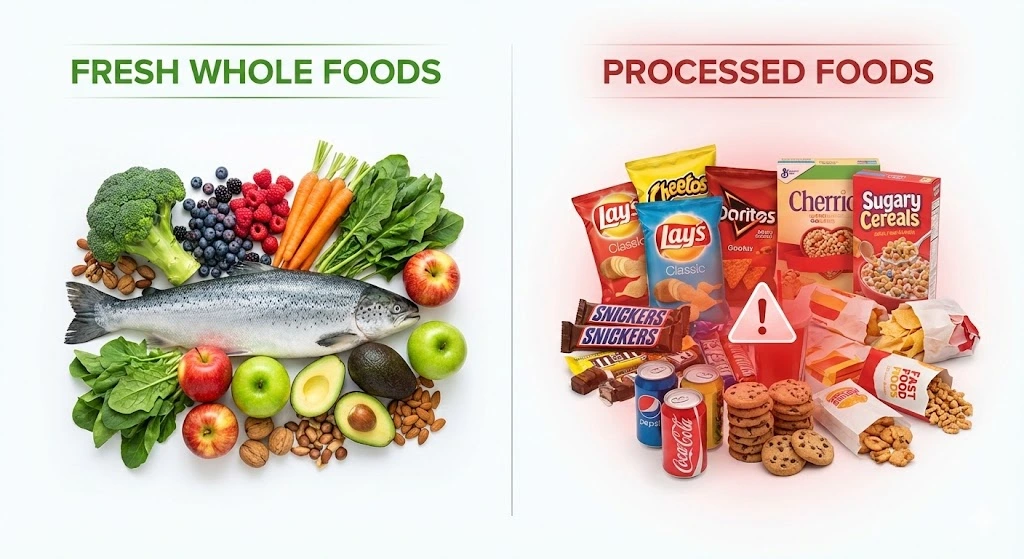
2. Highly Processed Foods
Ultra-processed foods often contain refined oils, excess sodium, and additives that may promote inflammation. A 2020 study in the American Journal of Clinical Nutrition linked higher ultra-processed food intake to accelerated cellular aging.
What to do instead: Focus on whole foods—if you can't recognize the ingredients, consider choosing something simpler.
3. Excessive Alcohol
Alcohol dehydrates your body, including your skin. It also depletes vitamin A and triggers inflammation. Chronic heavy drinking is associated with premature skin aging.
What to do instead: If you drink, do so moderately. Stay hydrated with water between alcoholic beverages.
Real Experiences: What People Are Saying
We looked at discussions on Reddit's r/nutrition community to see what real people experience when changing their diets:
Focus on overall diet, not “miracle foods”
"A good approach is to rather than focusing on specific foods for healthy skin, concentrate on a healthy, nutrient-dense, anti-inflammatory diet in general. Eat plenty of fruits and vegetables, preferably organic. Choose healthy sources of fats, such as olives, avocados, coconuts, fatty fish, grass-fed & grass-finished meats, and not industrially-produced seed oils, too many PUFAs, etc. When eating grains opt for whole grains and prepare them in a way that they are more digestible. Limit sweets. Strive for variety as you're making healthy choices."
— u/Hersheys79, r/nutrition
Hydration, antioxidants, and gut health make a visible difference
"Water (I find warm/hot is better for me), green tea, berries (antioxidants), fruits/vegetables high in vitamin C (oranges, bell peppers, etc), olive oil and avocados, less red meat-more fish and white meat, etc. probiotic rich foods (kimchi, Greek yogurt)
Basically, foods that help fight free radicals and avoiding things that increase inflammation. Support your gut biome. Healthy fats that increase moisture from the inside out. Lots of hydration. Lots of color in your fruits and vegetables.
I was 19 looking 30 and now I’m almost 30 and look younger than when I was 19."
— u/Any-Jellyfish5003, r/nutrition
Cutting sugar can improve skin faster than expected
"I've been a long term sugar addict and I'm currently working on cutting back. I can definitely notice improvements in my skin and mood when I skip out on treats. I recommend checking out the r/sugarfree subreddit, it's been really motivational for me. For a while now I've known facts about how damaging sugar is but seeing all the hundred of first hand accounts about how much their life has improved on a sugar free diet is what has really helped me reduce my intake. I guess reading a fact list can only do so much lol reading personal stories had been much more impactful."
— u/Whereismymind160, r/Splendida
Key takeaway: Most people report that consistent, overall dietary improvements matter more than any single "miracle food." Hydration comes up repeatedly as a foundational habit.
Sample Daily Meal Plan for Younger-Looking Skin
Here's a simple day of eating that incorporates multiple anti-aging foods:
Breakfast
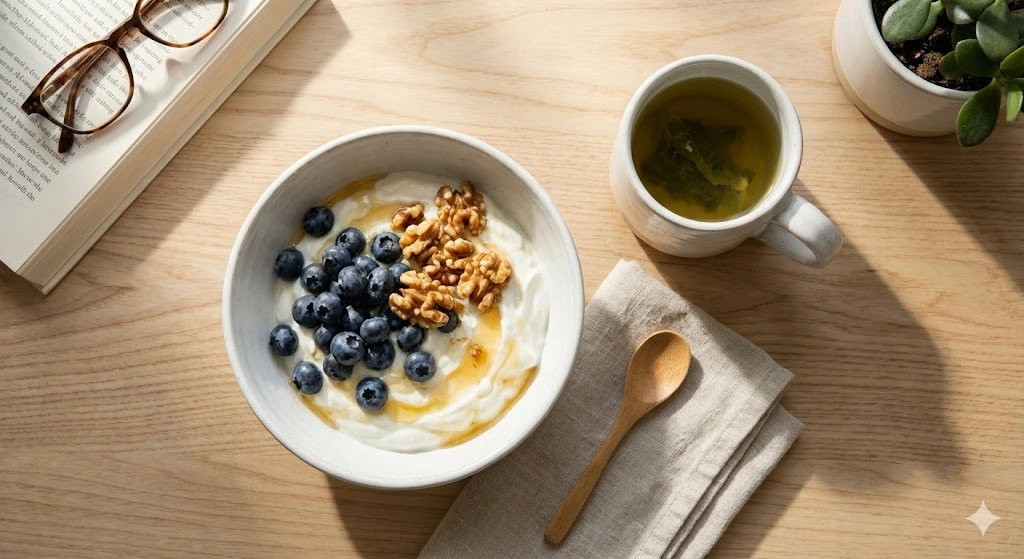
- Greek yogurt with blueberries and walnuts
- Green tea
Lunch
- Spinach salad with grilled salmon
- Olive oil and lemon dressing
- Sliced avocado on top
Afternoon Snack
- Red bell pepper slices with hummus
- Small handful of almonds
Dinner
- Baked sweet potato
- Grilled chicken or fish
- Roasted tomatoes with olive oil
- Side of steamed broccoli
Evening Treat
- 2 squares of dark chocolate (70%+ cocoa)
- Herbal tea
Throughout the day: Aim for 8 glasses of water to keep skin hydrated from within.
FAQ
How long does it take to see results from eating anti-aging foods?
Most people notice subtle improvements in skin hydration and radiance within 4-6 weeks of consistent dietary changes. More significant changes to skin texture may take 3-6 months. Consistency matters more than perfection.
Can foods really reduce wrinkles?
Foods cannot eliminate existing wrinkles, but a nutrient-rich diet may help slow the formation of new ones by supporting collagen production and fighting oxidative stress. For existing wrinkles, topical treatments and professional procedures are more effective.
What's the single best food for younger-looking skin?
There's no single "best" food—it's about overall dietary patterns. However, fatty fish (like salmon) consistently ranks high in research due to its combination of omega-3s, protein, and astaxanthin. Aim for variety rather than focusing on one food.
Do I need to take supplements instead of eating these foods?
Whole foods are generally preferable because they contain combinations of nutrients that work together. Supplements may help fill specific gaps, but they shouldn't replace a balanced diet. Consult a healthcare provider before starting any supplement regimen.
Are these anti-aging foods different for men vs. women?
The foods that support skin health are largely the same regardless of gender. Both men and women benefit from antioxidants, healthy fats, and vitamins. Women may have slightly different nutritional needs during pregnancy or menopause—consult a healthcare provider for personalized guidance.
Your 3-Step Action Plan (Start Today)
Step 1: Add one anti-aging food to your next meal (5 minutes)
Choose something simple—add berries to your breakfast, swap chips for walnuts, or drizzle olive oil on your salad. Small changes build momentum.
Step 2: Replace one processed item this week (10 minutes at grocery store)
Look at your usual shopping list. Pick one processed snack or drink to swap for a whole food alternative. Sugary soda → green tea. Chips → mixed nuts.
Step 3: Track your water intake for 3 days (1 minute daily)
Use your phone or a simple note to track glasses of water. Most people underestimate how dehydrated they are. Proper hydration supports every other dietary change.
Expected results: Within 2-4 weeks, you may notice improved skin hydration and a subtle "glow." After 2-3 months of consistent habits, friends might start asking what you're doing differently.
Bottom Line
Looking younger isn't about finding one magic food—it's about building consistent habits that support your skin from the inside out. Focus on colorful fruits and vegetables, healthy fats, and adequate protein while limiting sugar, processed foods, and excess alcohol.
The 12 foods in this guide are a great starting point, but remember: diet is just one piece of the puzzle. Hydration, sleep, sun protection, and stress management all play important roles.
→ Complete guide: How to Look 10 Years Younger: Science-Backed Methods
Curious how old you currently look? Try our free How Old Do I Look photo test to get an objective assessment—then check back in a few months to see if your dietary changes are making a visible difference.
Related Guides
Complete Guide:
Dive Deeper:
- What Makes You Look Older? 12 Surprising Factors
- Does the Sun Age Your Skin?
- Can You Reverse Aging from Lack of Sleep?
- Does Losing Weight Make You Look Younger?
- How to Apply Makeup to Look Younger
References
-
Schagen SK, Zampeli VA, Makrantonaki E, Zouboulis CC. Discovering the link between nutrition and skin aging. Dermato-Endocrinology. 2012;4(3):298–307.
https://pmc.ncbi.nlm.nih.gov/articles/PMC3583891/ -
Heinrich U, Neukam K, Tronnier H, Sies H, Stahl W. Long-term ingestion of high flavanol cocoa provides photoprotection against UV-induced erythema and improves skin condition in women. The Journal of Nutrition. 2006;136(6):1565–1569.
https://pubmed.ncbi.nlm.nih.gov/16702322/ -
Huang TH, Wang PW, Yang SC, Chou WL, Fang JY. Cosmetic and Therapeutic Applications of Fish Oil's Fatty Acids on the Skin. Marine Drugs. 2018;16(8):256.
https://www.mdpi.com/1660-3397/16/8/256 -
Latreille J, Kesse-Guyot E, Malvy D, et al. Dietary Monounsaturated Fatty Acids Intake and Risk of Skin Photoaging. PLOS ONE. 2012;7(9):e44490.
https://pmc.ncbi.nlm.nih.gov/articles/PMC3435270/ -
Rizwan M, Rodriguez-Blanco I, Harbottle A, Birch-Machin MA, Watson REB, Rhodes LE. Tomato paste rich in lycopene protects against cutaneous photodamage in humans in vivo: a randomized controlled trial. British Journal of Dermatology. 2011;164(1):154–162.
https://pubmed.ncbi.nlm.nih.gov/20854436/ -
Aslam MN, Lansky EP, Varani J. Pomegranate as a cosmeceutical source: Pomegranate fractions promote proliferation and procollagen synthesis and inhibit matrix metalloproteinase-1 production in human skin cells. Journal of Ethnopharmacology. 2006;103(3):311–318.
https://pubmed.ncbi.nlm.nih.gov/16221534/ -
Alonso-Pedrero L, Ojeda-Rodríguez A, Martínez-González MA, Zalba G, Bes-Rastrollo M, Marti A. Ultra-processed food consumption and the risk of short telomeres in an elderly population of the Seguimiento Universidad de Navarra (SUN) Project. The American Journal of Clinical Nutrition. 2020;111(6):1259–1266.
https://pubmed.ncbi.nlm.nih.gov/32330232/
Disclaimer
This article is for informational purposes only and does not constitute medical advice. The information provided is based on nutritional research but individual results may vary. Consult a qualified healthcare provider, registered dietitian, or dermatologist before making significant dietary changes, especially if you have existing health conditions or take medications.
*Last updated: January 2026*
Try the photo age test
How Old Do I Look?
Upload a selfie or face photo and get an instant AI estimate of how old you look. Free, no signup required, and photos are not saved by us after analysis.
Test how old you look