
Does the Sun Age Your Skin? The Real Impact of UV on How Old You Look
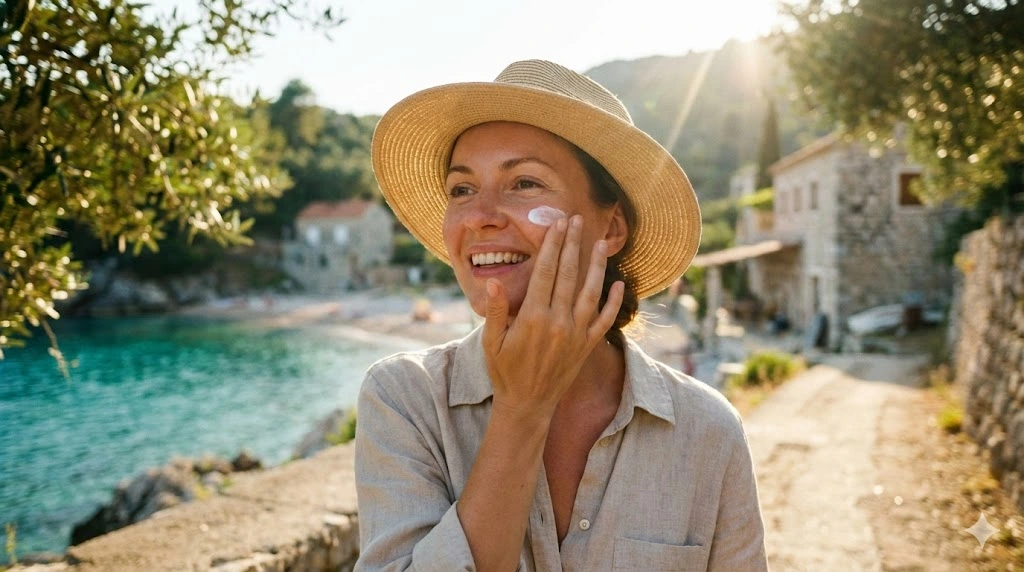
You've probably heard it before: "The sun is the number one cause of aging." Maybe you've noticed new lines around your eyes or dark spots that weren't there a few years ago. Now you're wondering—is it really the sun doing this to my skin?
You're not alone. Millions of people search for answers about how the sun affects their appearance. The good news? Once you understand what's actually happening, you can take simple steps to protect your skin.
In this guide, we'll look at what research says about sun exposure and aging. You'll learn practical ways to protect your skin and what options exist if damage has already occurred. While this guide covers general information, consider consulting a dermatologist for personalized advice.
The Short Answer
Yes, sun exposure plays a major role in how old your skin looks—but it's not the only factor. Research suggests UV radiation contributes significantly to visible aging signs like wrinkles, spots, and uneven texture. However, your genetics, lifestyle habits, and skincare routine also matter.
The key factors include how much sun you've been exposed to over your lifetime, your natural skin tone, and whether you've been using protection consistently. Keep reading to understand the science and what you can do about it.
What Actually Happens to Your Skin in the Sun
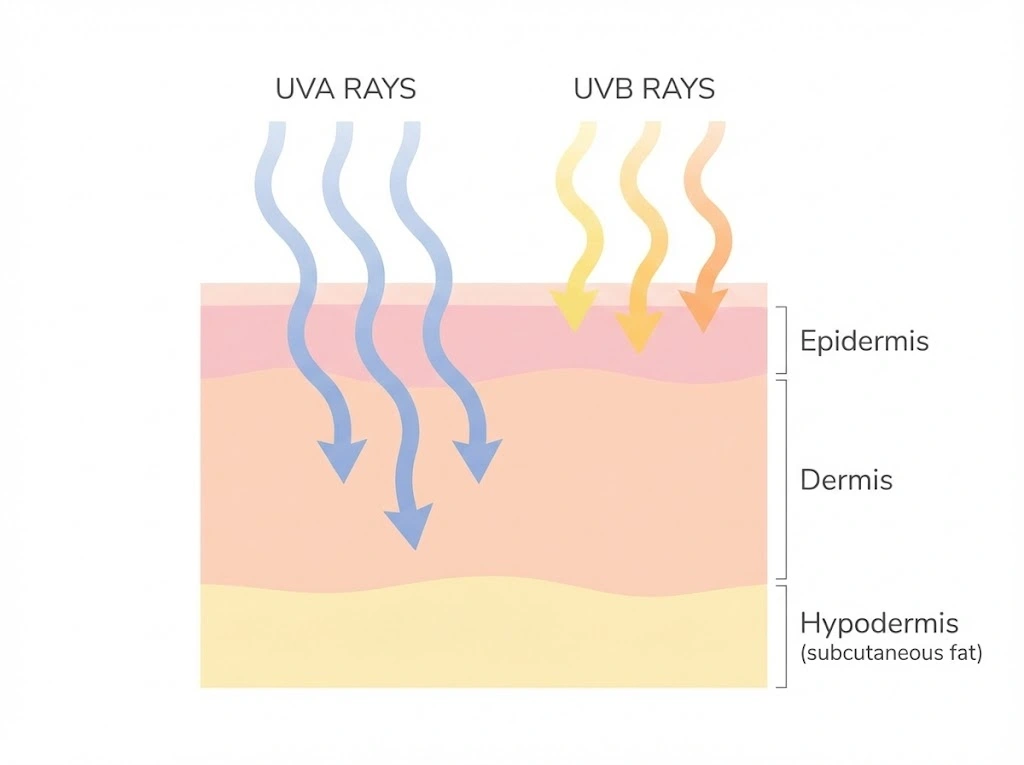
When sunlight hits your skin, two types of UV rays do different things.
UVA rays penetrate deep into your skin. They reach the dermis—the layer where collagen and elastin live. These proteins keep your skin firm and bouncy. Think of collagen as the scaffolding that holds everything in place, and elastin as the springs that let your skin bounce back. Over time, UVA breaks them down. The result? Skin starts to sag and wrinkle.
UVB rays affect the outer layer of your skin (the epidermis). They're the main cause of sunburn and that painful red feeling after a day at the beach. They also contribute to uneven skin tone, rough texture, and those dark spots that seem to appear out of nowhere.
According to research published in Cold Spring Harbor Perspectives in Medicine, both types of UV radiation trigger a chain reaction. They create molecules called free radicals that damage skin cells. Your body tries to repair this damage, but repeated exposure makes it harder to keep up.
The damage adds up over years. That's why dermatologists call this process "photoaging"—aging caused by light exposure.
The "80% Statistic": What Does It Really Mean?
You may have seen claims that "80% of skin aging comes from the sun." This number comes from a 2013 study published in Clinical, Cosmetic and Investigational Dermatology.
Researchers studied 298 women in France and compared those who sought sun exposure with those who avoided it. They observed that sun exposure appeared responsible for approximately 80% of visible facial aging signs in their study group.
Important context: This study focused on Caucasian women in a specific region. The percentage may differ for people with different skin tones, lifestyles, or locations. More diverse research continues to explore these factors.
What we can take from this: Sun exposure is a major—but not the only—contributor to how your skin ages. Other factors like genetics, smoking, sleep quality, and diet also play roles. But unlike your genes, sun exposure is something you can control.
5 Ways to Protect Your Skin from Sun Aging
The American Academy of Dermatology and other organizations recommend several practical strategies. Here's a quick overview:
| Protection Method | When to Use | Key Benefit |
|---|---|---|
| Broad-spectrum sunscreen SPF 30+ | Daily, even on cloudy days | Blocks both UVA and UVB |
| Protective clothing | Extended outdoor time | Physical barrier against rays |
| Seeking shade | 10am–4pm peak hours | Reduces direct exposure |
| Sunglasses with UV protection | Whenever outdoors | Protects delicate eye area |
| Antioxidant skincare | Morning routine | May provide additional support |
Step 1: Make Daily Sunscreen a Habit
The American Academy of Dermatology recommends using broad-spectrum sunscreen with SPF 30 or higher every day. "Broad-spectrum" means it helps protect against both UVA and UVB rays.
How much to use: About a nickel-sized amount for your face. For your whole body, think of a shot glass worth.
When to reapply: Every two hours when outdoors, or immediately after swimming or sweating.
Research suggests that consistent sunscreen use over time may help reduce cumulative UV exposure. It's one of the simplest habits you can build.
Pro tip: If you find sunscreen too greasy or white-looking, try different formulas. Gel-based options work well for oily skin. Tinted sunscreens blend into skin tone. The best sunscreen is one you'll actually enjoy using every day.
Step 2: Know When UV Is Strongest
UV rays are typically most intense between 10am and 4pm. During these hours, seeking shade can make a real difference.
A helpful trick: Check the UV index on your weather app. When it's 6 or higher, extra protection becomes more important.
Step 3: Layer Your Protection
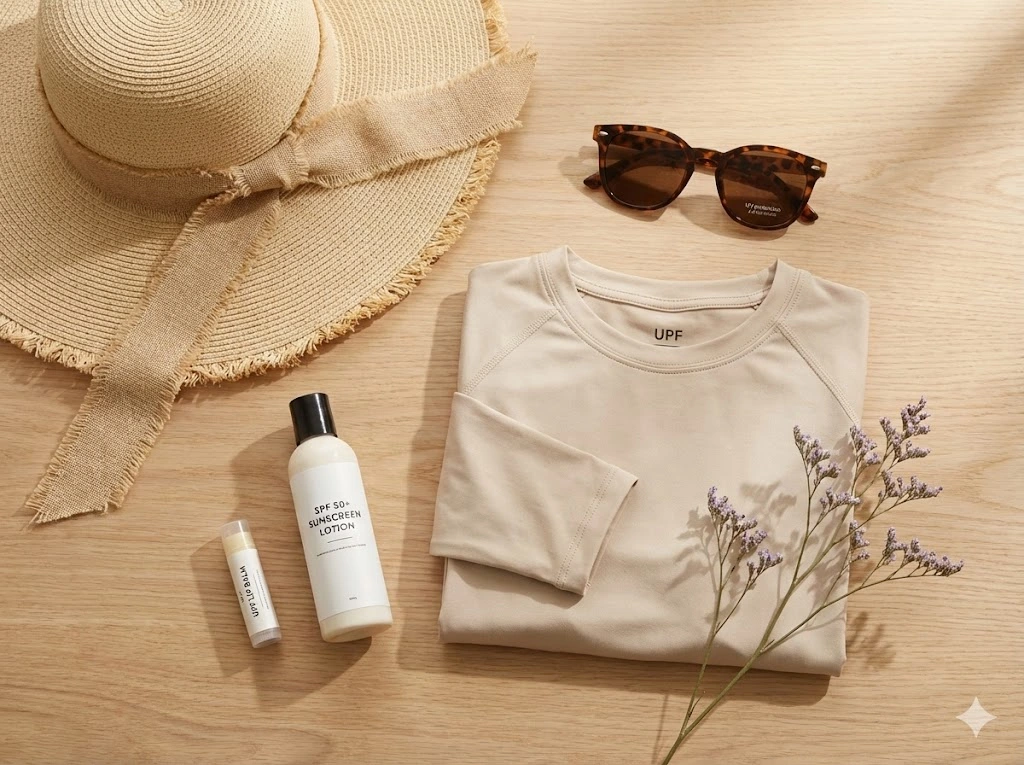
Sunscreen works best as part of a system, not a standalone solution.
- Hats: Wide-brimmed styles shade your face, ears, and neck
- Sunglasses: Look for labels saying "100% UV protection" or "UV400"
- Clothing: Tightly woven fabrics block more rays; some clothes have UPF ratings
Think of it like wearing a seatbelt and having airbags—multiple layers of protection work together.
Step 4: Consider Adding Antioxidants
Some research suggests that antioxidants like vitamin C may support your skin's natural defenses. A 2017 review in Nutrients noted that topical antioxidants might help neutralize some free radicals created by UV exposure.
These products don't replace sunscreen—they're an additional layer. Before adding new products to your routine, it may be helpful to speak with a skincare professional about what suits your skin type.
Step 5: Check Your Skin Regularly
Get to know your skin so you notice changes early. Look for:
- New spots or moles that weren't there before
- Changes in existing marks (size, shape, color)
- Areas that feel rough or scaly
- Spots that don't heal or keep coming back
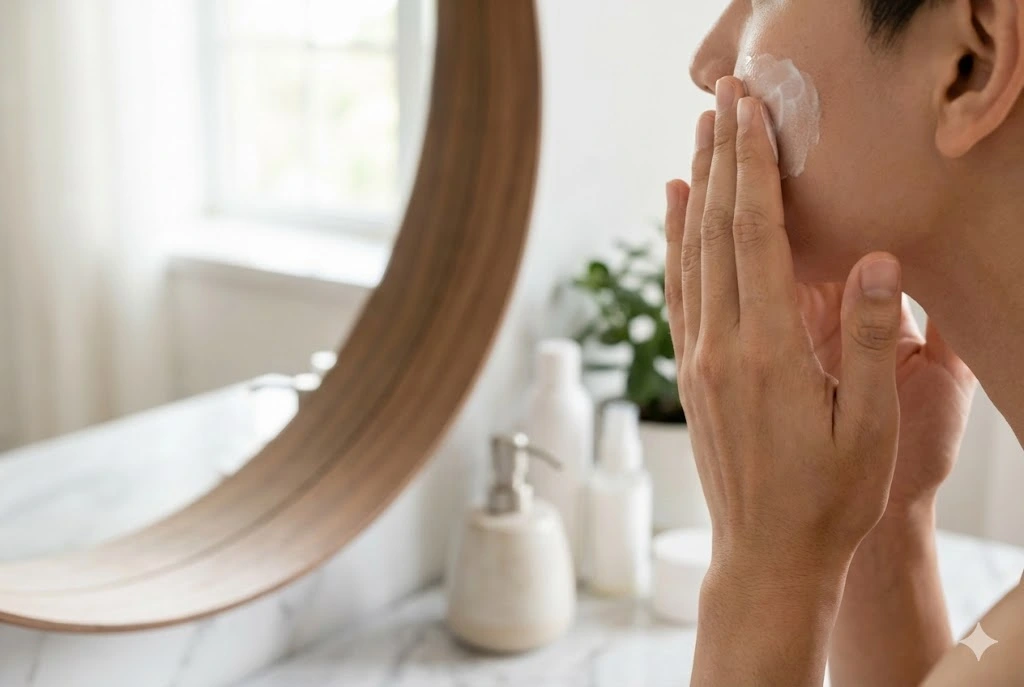
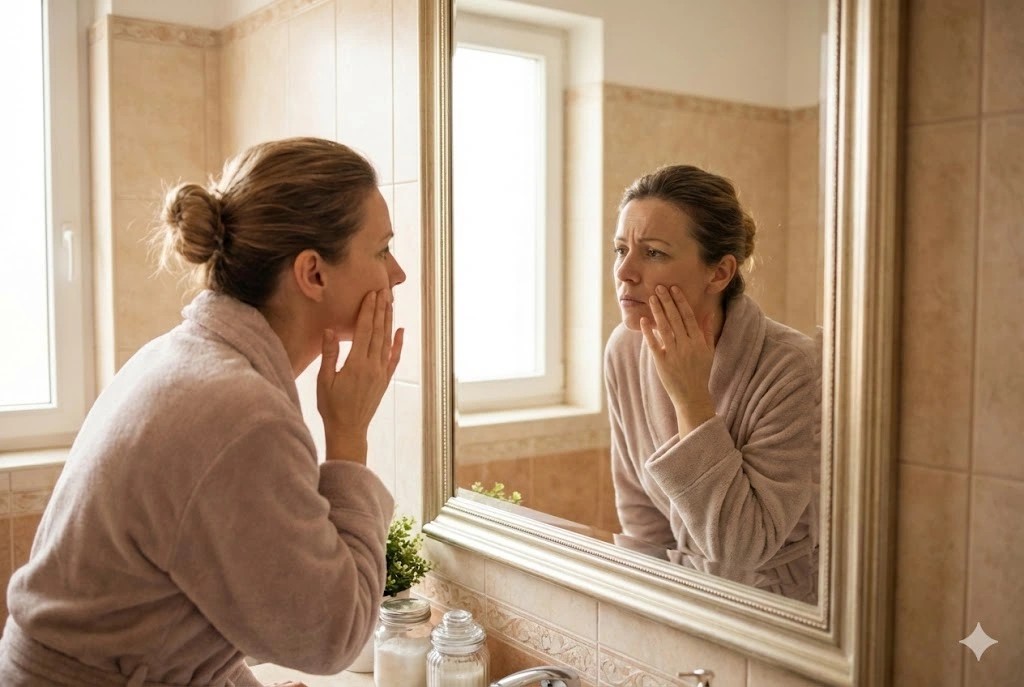
The Skin Cancer Foundation recommends monthly self-checks. Stand in front of a well-lit mirror and examine your face, neck, and any other areas that get regular sun exposure. If you notice anything unusual, consult a healthcare provider promptly. Early attention often leads to better outcomes.
3 Mistakes That Can Make Sun Damage Worse
Even people who try to protect their skin sometimes make these common errors.
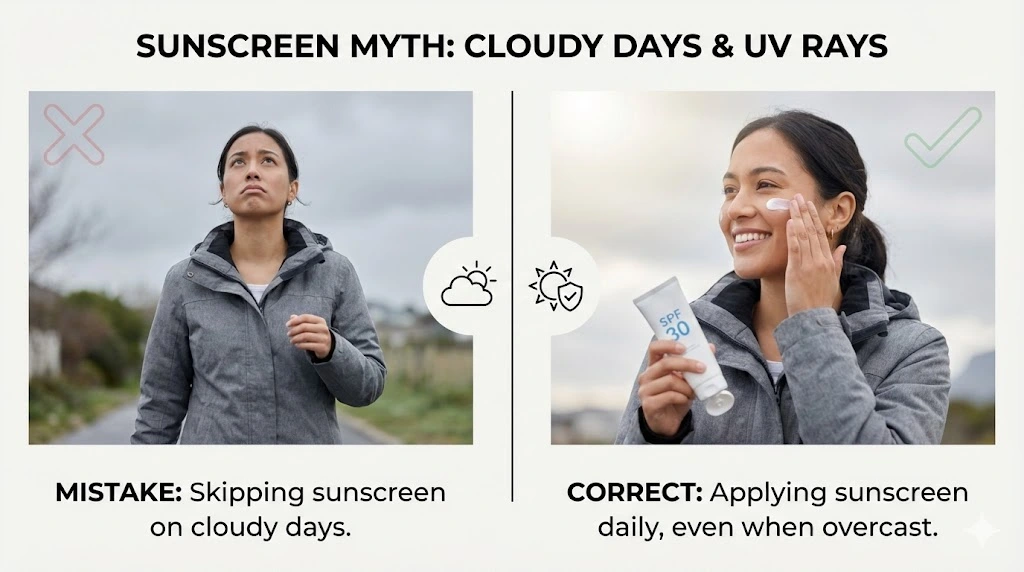
Mistake #1: Only Using Sunscreen on Sunny Days
UV rays penetrate clouds. According to the American Academy of Dermatology, up to 80% of UV radiation can pass through cloud cover.
What to do instead: Apply sunscreen every morning as part of your routine—regardless of the weather.
Mistake #2: Relying on Makeup with SPF Alone
Many foundations and moisturizers contain SPF, which is helpful. But most people don't apply enough makeup to get the full protection listed on the label.
What to do instead: Use a dedicated sunscreen underneath your makeup. Think of SPF in makeup as a bonus, not your main protection.
Mistake #3: Assuming Darker Skin Doesn't Need Protection
It's true that melanin provides some natural protection. However, people with darker skin tones can still experience sun damage. This often shows up as uneven skin tone, dark spots, or texture changes rather than sunburn.
What to do instead: Everyone benefits from sun protection, regardless of skin tone. Choose products that work for your skin type.
What Real People Say About Sun Damage
Understanding how others have reflected on sun exposure, lifestyle, and visible aging can provide useful context — though individual outcomes vary widely based on genetics, hormones, and habits.
Sun protection helps—but it cannot fully prevent hormonally driven aging and volume loss
“I’ve been a sunscreen wearer for 20+ years. Although I don’t have many deep wrinkles and my skin is pretty even, hitting 40 and the changing shift in hormones has done a huge number on me. I’m nearly 42 now and the volume loss in the past 18 months is very noticeable, especially under my eyes.
So I say yes and no! It will help to a point, but it’s not going to stop hollowing, sagging etc. My sunscreen habit isn’t from an age prevention pov anyway—I work outside every day as did my dad and he developed cancer on his face that left a huge mess after surgery, so I don’t care that much that I look my age 🤷🏻♀️”
— u/EducationalTie1606, r/30PlusSkinCare
Lifestyle factors like smoking can rival—or exceed—sun exposure in visible aging
“When I was 18, my friend's sister, who was 1 year younger than me, actually looked to be in her late 20s. She tanned AND smoked.
I’m now in my late 30s. I did tan a bit when I was younger, but for the past 10 years I’ve had less sun exposure. I wear sunscreen pretty regularly (not perfectly), even on cloudy days. I’ve never smoked and I rarely drink.
My co-worker, who is the same age as me, has deeper wrinkles. I thought she was 7+ years older than me. She doesn’t tan—but she does smoke.
So I think smoking has a huge effect on your skin condition as well. I think it definitely ages you.”
— u/LongHairedKnight, r/30PlusSkinCare
Key takeaway: Sun exposure is a major driver of visible skin aging—but it’s not the only one. Hormonal changes, smoking, and overall lifestyle can significantly influence wrinkles, volume loss, and skin texture. Sunscreen remains essential for cancer prevention and photoaging, yet it cannot fully offset internal aging processes or high-impact habits like smoking.
FAQ
How quickly does the sun age your skin?
Sun damage accumulates over years, not days. However, every exposure adds up. Research suggests that even brief, unprotected exposure contributes to cumulative damage over a lifetime.
Can sun damage be reversed?
Some visible signs may be improved with treatments like retinoids, chemical peels, or laser procedures. These options work best for surface-level concerns like uneven tone and fine lines. However, deep structural damage to collagen is generally permanent. A dermatologist can discuss options based on your specific situation and help set realistic expectations.
Does sunscreen actually help reduce visible aging?
Research suggests that consistent sunscreen use may help reduce some visible signs of aging over time. A 2013 study in Annals of Internal Medicine found that daily sunscreen users showed less skin aging over a 4.5-year period compared to occasional users.
Is indoor lighting harmful to skin?
Most indoor lighting produces minimal UV. However, some research is exploring whether blue light from screens might affect skin. Current evidence is limited, and sun protection remains the priority for most people.
What SPF should I use daily?
Dermatologists commonly recommend SPF 30 or higher for daily use. SPF 50 blocks slightly more rays but requires the same reapplication schedule. The best sunscreen is one you'll actually use consistently.
Your 3-Step Sun Protection Plan (Start Today)
Step 1: Set up your sunscreen station (5 minutes) Put sunscreen where you'll see it every morning—next to your toothbrush or by your keys. Remove the barrier to using it daily.
Step 2: Download a UV index app (2 minutes) Check the forecast before outdoor activities. When UV is high, plan for extra protection or adjust timing if possible.
Step 3: Schedule a skin self-check (10 minutes monthly) Pick a day each month to look over your skin. Note any changes to discuss with a healthcare provider if needed.
What to expect: Building these habits takes a few weeks. Over time, many people find that consistent protection becomes automatic—and they feel more confident about their skin's future.
Bottom Line
Sun exposure does play a significant role in how your skin ages. Research consistently shows that UV radiation breaks down the proteins that keep skin firm and even-toned. But here's what matters most: protection makes a real difference, and it's never too late to start.
Simple habits—daily sunscreen, seeking shade, and wearing protective accessories—can help reduce further damage. Want to learn more? Check out our complete guide on how to look 10 years younger. And if you're curious about how old you currently look, why not find out?
Ready to see your estimated age? How Old Do I Look photo test and get instant results.
Related Guides
Understanding Skin Aging:
Prevention & Care:
- When to Start Anti-Aging Skincare
- Can You Reverse Aging from Lack of Sleep?
- Foods That May Help You Look Younger
- Does Losing Weight Make You Look Younger?
Disclaimer: This article is for informational purposes only and does not constitute medical advice. The information provided is based on general research and should not replace professional consultation. Individual results may vary. Always consult with a qualified healthcare provider or dermatologist before making changes to your skincare routine or starting any new treatments. The author and website are not responsible for any actions taken based on this information.
References
Flament, F. et al. (2013). Effect of the sun on visible clinical signs of aging in Caucasian skin. Clinical, Cosmetic and Investigational Dermatology, 6, 221-232. PubMed
Rittié, L. & Fisher, G.J. (2015). Natural and Sun-Induced Aging of Human Skin. Cold Spring Harbor Perspectives in Medicine. PMC
Hughes, M.C. et al. (2013). Sunscreen and Prevention of Skin Aging. Annals of Internal Medicine, 158(11), 781-790. PubMed
American Academy of Dermatology. How dermatologists treat sun-damaged skin. AAD
Cleveland Clinic. Sun Damage: Protecting Yourself. Cleveland Clinic
Yale Medicine. Photoaging (Sun Damage). Yale Medicine
Try the photo age test
How Old Do I Look?
Upload a selfie or face photo and get an instant AI estimate of how old you look. Free, no signup required, and photos are not saved by us after analysis.
Test how old you look