
Does Stress Age Your Face? What Research Says (And What You Can Do)
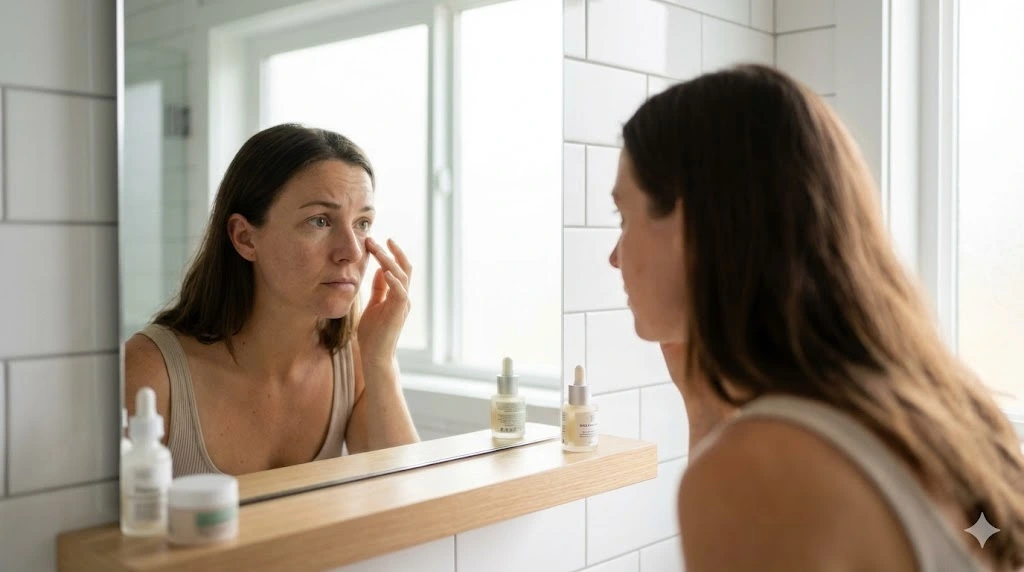
You catch your reflection after a long week and notice something different. Maybe it's the dark circles that won't quit, the dull skin that used to glow, or the fact that your face just looks... tired. A friend casually asks, "Are you getting enough sleep?" — and suddenly you're wondering: is stress actually making me look older?
You're not imagining it. Some research suggests that ongoing stress may show up on your face in ways that add years to your appearance. In this guide, we'll look at what researchers have observed about stress and facial appearance, plus simple daily habits that may help you look more like yourself again.
While this guide covers general information, consider speaking with a skincare professional if you have specific concerns.
The Short Answer
Does stress age your face? Some research suggests it can. One study found that people with high-stress lifestyles appeared up to 3.5 years older than their actual age. The connection seems to involve how stress affects sleep, facial expressions, and daily habits.
The encouraging news? Many people notice their appearance improves when they find ways to manage stress. Here's what we know.
How Stress May Affect Your Facial Appearance
When researchers study the relationship between stress and how people look, they observe some consistent patterns. It's not just about feeling tired — stress often shows up visibly on your face in ways that others can notice too.
During stressful periods, many people report that their skin looks duller, their eyes look more tired, and fine lines seem more pronounced. These changes don't happen randomly. They're connected to how stress affects your daily habits and routines.
Sleep is often the first thing to suffer. When you're stressed, falling asleep becomes harder, and the sleep you do get tends to be lower quality. A 2015 study published in Clinical and Experimental Dermatology found that poor sleep quality was associated with increased signs of intrinsic skin aging, including fine lines, uneven pigmentation, and reduced elasticity. Learn more about how sleep affects aging and what you can do about it.
Your facial expressions change too. Stress often leads to unconscious habits like frowning, furrowing your brow, or clenching your jaw. Over time, these repeated expressions may contribute to the appearance of lines and tension in your face.
Daily habits shift during stressful periods. You might skip your skincare routine, drink less water, consume more caffeine, or eat differently. Each of these small changes can affect how your skin looks and feels.
Here's what researchers and everyday people have observed:
| Observation | What People Report | Possible Connection |
|---|---|---|
| Skin looks dull or tired | "My skin lost its glow" | Sleep quality, hydration habits |
| Dark circles more visible | "I look exhausted" | Sleep patterns, daily routine changes |
| Fine lines seem deeper | "My forehead lines got worse" | Facial tension, repeated expressions |
| Skin feels drier | "My face feels tight" | Changes in daily care routine |
| Breakouts increase | "I get stress pimples" | Lifestyle and diet changes during stress |
| Face looks puffy or uneven | "I look bloated" | Sleep position, hydration, diet |
The connection between stress and appearance isn't mysterious — it's largely about how stress disrupts the everyday habits that keep you looking your best. Stress is just one of 12 factors that can make you look older than your age.
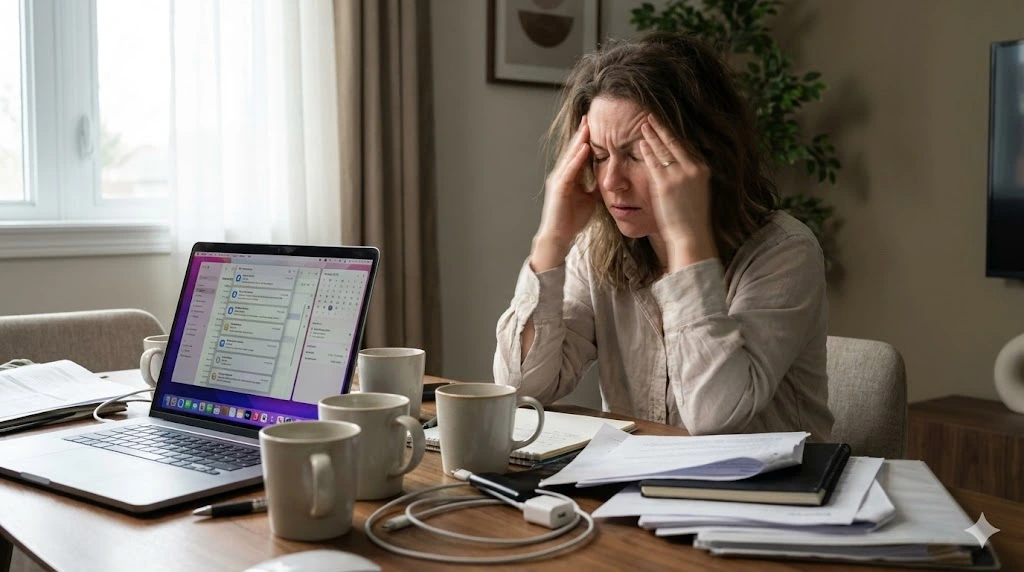
5 Daily Habits That May Help Your Skin Look Better
If stress is affecting how you look, the solution isn't necessarily expensive products or complicated routines. Many people find that simple, consistent habits make the biggest difference. Here are five approaches that people commonly report as helpful.
Habit 1: Prioritize Sleep (Especially Before Midnight)
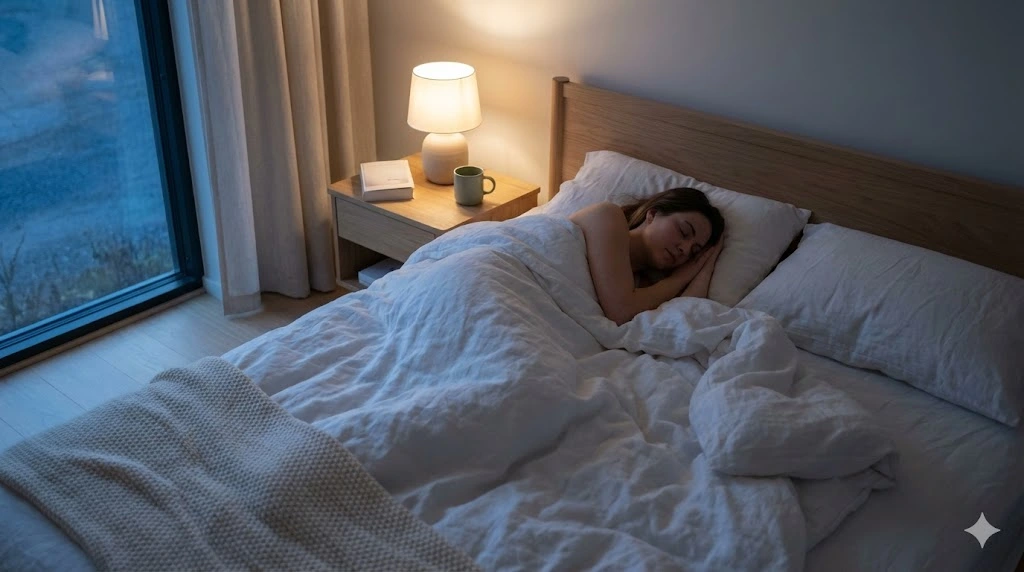
Sleep is when your body does its repair work. Research has observed that people who report poor sleep quality also show more visible signs of skin aging, including fine lines and uneven skin tone. For a complete guide on optimizing sleep for younger-looking skin, see how to reverse aging from lack of sleep.
Many people find that the hours before midnight are particularly valuable. While individual needs vary, aiming to be asleep by 10 or 11 PM often helps people wake up looking more refreshed.
Try this today: Set a "wind down" alarm on your phone for 30 minutes before your target bedtime. Use that time to disconnect from screens and prepare for sleep.
Habit 2: Stay Hydrated Throughout the Day
When you're busy and stressed, drinking enough water often falls off your radar. Yet hydration affects how your skin looks and feels. Dehydrated skin can appear dull, feel tight, and make fine lines more noticeable.
The key is consistency rather than drinking large amounts at once. Spreading your water intake throughout the day tends to be more effective. What you eat matters too — certain foods can help you look younger by supporting skin health from the inside.
Try this today: Keep a water bottle at your desk or in your bag. Each time you see it, take a few sips.
Habit 3: Find Your 10-Minute Daily Reset
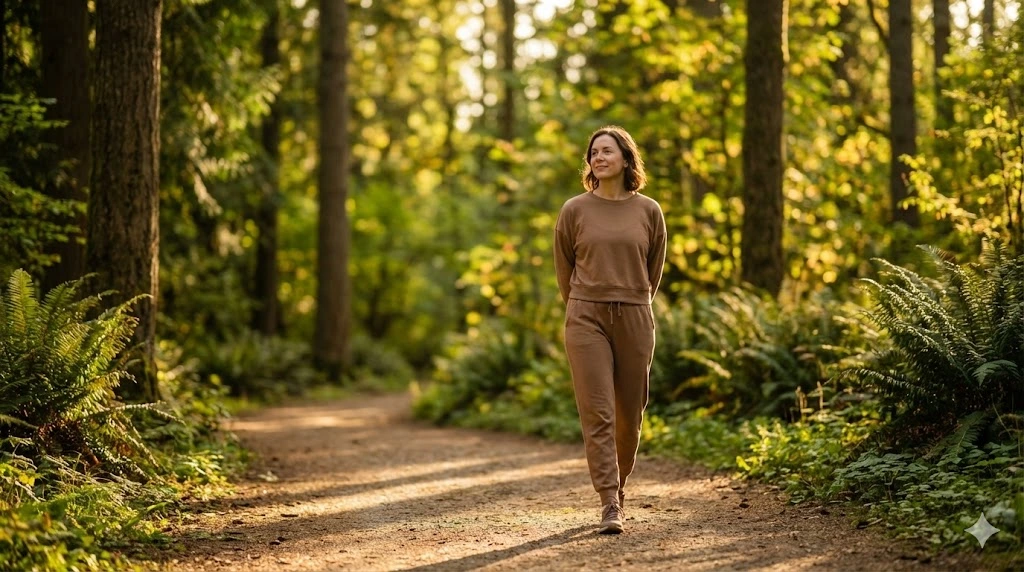
Taking short breaks for relaxation isn't just about feeling better — it may help you look better too. Some research has explored how relaxation practices relate to overall wellbeing, and many people report that their skin looks healthier when they build in regular moments of calm.
The specific activity matters less than doing it consistently. Some people prefer a short walk outside. Others like deep breathing exercises, stretching, or listening to calming music. Find what works for your schedule and preferences.
Try this today: Block 10 minutes on your calendar for a "reset break." Treat it like any other appointment.
Habit 4: Notice Your Facial Tension
Many people don't realize how much tension they carry in their face until someone points it out. Clenching your jaw, furrowing your brow, or pressing your lips together are common stress responses that happen unconsciously.
Over time, this chronic tension may contribute to the appearance of lines and an overall "stressed" look. Dentists sometimes notice signs of teeth grinding or jaw clenching in their patients during stressful periods.
Try this today: Set three phone reminders throughout the day that simply say "relax your jaw." When the reminder goes off, notice if you're holding tension and consciously release it.
Habit 5: Keep Your Skincare Simple and Consistent
When stress affects your skin, it's tempting to add more products or try new treatments. But this approach often backfires. Introducing multiple new products can irritate your skin, and complicated routines are harder to maintain when you're already overwhelmed.
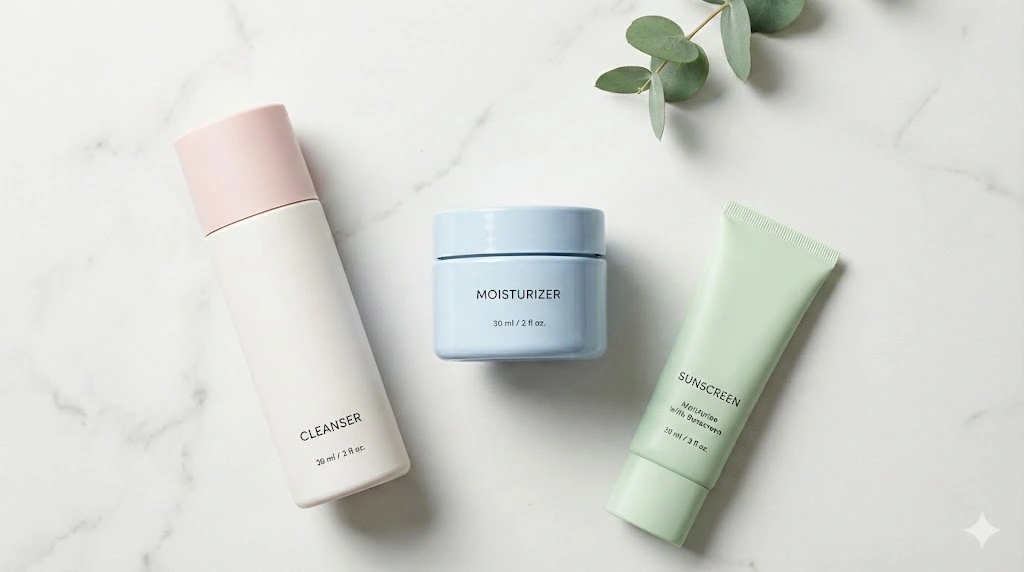
During stressful periods, many skincare professionals suggest going back to basics: a gentle cleanser and a good moisturizer. Consistency with simple products often delivers better results than sporadic use of complicated routines.
Try this today: Commit to just cleanser and moisturizer for the next week. Notice how your skin responds to this simplified approach.
3 Common Misconceptions About Stress and Your Face
When people notice stress affecting their appearance, they often respond in ways that actually make things worse. Here are three common misconceptions worth rethinking.
Misconception #1: More Skincare Products Will Fix Stress-Related Skin Issues
When your skin looks tired or dull, the instinct is often to buy more products. A new serum here, a treatment mask there — soon you have a 10-step routine that takes 30 minutes and involves ingredients you can't pronounce.
The problem? Stressed skin is often more sensitive than usual. Layering multiple products can lead to irritation, breakouts, or reactions that make your skin look worse. And complex routines are the first thing to go when you're overwhelmed, leading to inconsistent care.
Better approach: Simplify your routine to the essentials. Consistent use of basic products typically outperforms sporadic use of expensive treatments.
Misconception #2: Coffee Helps You Power Through (Without Consequences)
When you're tired and stressed, coffee feels like a lifeline. And in moderation, it's fine. But many people don't realize how much their caffeine intake increases during stressful periods — or how that affects their sleep.
Caffeine stays in your system longer than most people think. That afternoon coffee might still be affecting you at bedtime, leading to poorer sleep quality, which then makes you reach for more coffee the next day. This cycle can show up on your face as persistent tired-looking skin.
Better approach: Notice how much caffeine you're actually consuming. Consider setting a cutoff time (many people find 2 PM works well) and balancing coffee with water throughout the day.
Misconception #3: You Need Expensive Treatments to Reverse Stress Effects
It's easy to assume that visible changes require professional intervention. And while there's nothing wrong with consulting skincare professionals, many people are surprised by how much their appearance improves from simple lifestyle changes alone.
Better sleep, consistent hydration, regular movement, and basic skincare often deliver noticeable results within a few weeks — without any special treatments or products.
Better approach: Start with free habits. If you're still concerned after consistently implementing lifestyle changes for 4-6 weeks, then consider consulting a professional for personalized guidance.
What People Say About Stress and Their Appearance
Understanding how others have experienced stress reduction and facial aging can offer valuable perspective — though outcomes naturally vary from person to person.
Emotional stress can manifest directly on the face—and may reverse when stress is removed
“When I was in my mid-20s, I was in a highly abusive relationship and I developed forehead wrinkles as well as wrinkles elsewhere on my face. As soon as I recovered from the breakup, the wrinkles went away and now (almost ten years later), I don't have any wrinkles besides some smile lines. I've started using OTC Retinol but I attribute 99.9% to stress reduction.”
— u/Lyra555, r/beauty
Leaving a high-stress lifestyle can rapidly improve facial appearance and overall well-being
“When I quit my stressful job where I had to wake up at 4 am I noticed sooo many positive changes. My face isn’t puffy anymore, I’m more toned, my skin looks glowy, and my mental health is much better. I’m also more pleasant to be around and my relationships have improved. It’s so much easier to eat healthy too.”
— u/gingersnatch_, r/beauty
Chronic tension—especially around the eyebrows—can signal stress and create visible aging cues
“I think eyebrows have an impact. When you are anxious or tensed, for some reason, the muscles around your eyebrows tend to hold the most tension and it shows including forehead creases.
Looking back at my older photos during final exams, I realized that even though I thought I was managing stress, it was always on the back of my mind—and it showed on my face.”
— u/Sea_Bonus_351, r/Splendida
Key takeaway: Stress doesn’t just affect long-term health—it can visibly shape facial features through muscle tension, puffiness, and premature lines. For many people, reducing emotional and lifestyle stress leads to noticeable improvements in skin quality, facial softness, and overall appearance—sometimes even more than topical skincare alone.
Frequently Asked Questions
Does stress age your face permanently?
Many people report that appearance changes associated with stress improve when stress is reduced and healthy habits are restored. However, everyone's experience is different. Long-term lifestyle patterns may have more lasting effects than short-term stressful periods. The good news is that it's rarely too late to make changes that support a healthier appearance.
How quickly can stress affect how you look?
Some people notice changes within days of a stressful period, particularly around sleep quality and skin hydration. You might see increased puffiness, darker under-eye circles, or duller skin relatively quickly. Other changes, like the appearance of fine lines, may develop more gradually over weeks or months of ongoing stress.
Can reducing stress really make you look younger?
While individual results vary, many people report looking more refreshed and "like themselves again" after making lifestyle changes that reduce daily stress. Whether this translates to looking specifically "younger" depends on many factors, but feeling and looking more rested is a common outcome.
What's the biggest factor connecting stress and appearance?
Based on what researchers have observed and what people commonly report, sleep quality appears to be one of the most significant factors linking stress to facial appearance. When stress disrupts sleep, the effects often show up visibly on your face. Prioritizing sleep is frequently the most impactful single change you can make.
Should I see a professional about stress-related appearance changes?
If you're concerned about changes in your appearance, it's always reasonable to consult with a skincare professional or your primary care provider for personalized guidance. This is especially worth considering if changes persist despite lifestyle improvements, if you notice unusual symptoms, or if the concern is affecting your quality of life.
Your Simple 3-Step Plan (Start Today)
Ready to take action? Here's a straightforward plan you can begin right now:
Step 1: Check Your Baseline (2 minutes)
Visit How Old Do I Look to see how old you currently appear. Our free AI tool analyzes your photo and estimates your apparent age. This gives you a starting point to track any changes over time.
Step 2: Pick ONE Habit to Start (1 minute)
Choose the single easiest habit from the list above. Don't try to change everything at once. Most people find that improving sleep or increasing hydration are the simplest places to start and often deliver noticeable results.
Step 3: Set a 4-Week Reminder (1 minute)
Mark your calendar to re-check your appearance in 4 weeks. At that point, reflect on any changes you've noticed in how you look and feel. You can also retake the age estimation to see if there's been a measurable difference.
What to expect: Many people notice subtle improvements in how refreshed they look within 2-4 weeks of consistent habit changes. You might notice better skin hydration, reduced puffiness, or simply looking less tired. Your individual results may vary based on your specific situation and how consistently you maintain the new habits.
The Bottom Line
Does stress age your face? Research and countless personal experiences suggest it can — but the connection also means that managing stress may help you look more like yourself. The changes you see in the mirror during stressful times are often tied to sleep, hydration, and daily habits rather than permanent aging.
Small, consistent changes often matter more than dramatic interventions. Prioritizing sleep, staying hydrated, taking short breaks for relaxation, and keeping your skincare simple can make a meaningful difference over time.
Curious how you look right now? Try our free AI age estimation at How Old Do I Look photo test — it takes just a few seconds and gives you a baseline to track your progress.
Related Guides
Complete Guide:
Sleep & Recovery:
Lifestyle Factors:
- What Makes You Look Older? 12 Surprising Factors
- 12 Foods That Make You Look Younger
- Does Losing Weight Make You Look Younger?
- How to Apply Makeup to Look Younger
Free Tool:
- How Old Do I Look photo test — AI Age Estimation
Disclaimer: This article is for informational purposes only and does not constitute medical or professional advice. The information provided reflects general observations and should not replace consultation with qualified professionals. Individual experiences and results vary. If you have concerns about your skin or health, please consult with an appropriate professional.
References
1.Murad Skincare. "Does stress age you? Combat stress-induced inflammation and aging." Murad Well Connected. Available at: https://wellconnected.murad.com/how-to-reverse-stress-induced-aging/ (Note: The "3.5 years older" statistic is cited from a clinical study but original research source not specified)
2.Chen, Y., & Lyga, J. (2014). Brain-Skin Connection: Stress, Inflammation and Skin Aging. Inflammation & Allergy Drug Targets, 13(3), 177-190. PMC4082169. Available at: https://pmc.ncbi.nlm.nih.gov/articles/PMC4082169/
3.American Academy of Dermatology. "Feeling stressed? It can show in your skin, hair, and nails." July 2022. Available at: https://www.aad.org/news/stress-shows-in-skin-hair-nails
4.American Academy of Dermatology. "6 skin and hair conditions linked to stress." Available at: https://www.aad.org/public/diseases/a-z/stress-skin-conditions
5.Oyetakin-White, P., Suggs, A., Koo, B., Matsui, M. S., Yarosh, D., Cooper, K. D., & Baron, E. D. (2015). Does poor sleep quality affect skin ageing? Clinical and Experimental Dermatology, 40(1), 17-22. PubMed ID: 25266053. Available at: https://pubmed.ncbi.nlm.nih.gov/25266053/
Try the photo age test
How Old Do I Look?
Upload a selfie or face photo and get an instant AI estimate of how old you look. Free, no signup required, and photos are not saved by us after analysis.
Test how old you look